Skip to content

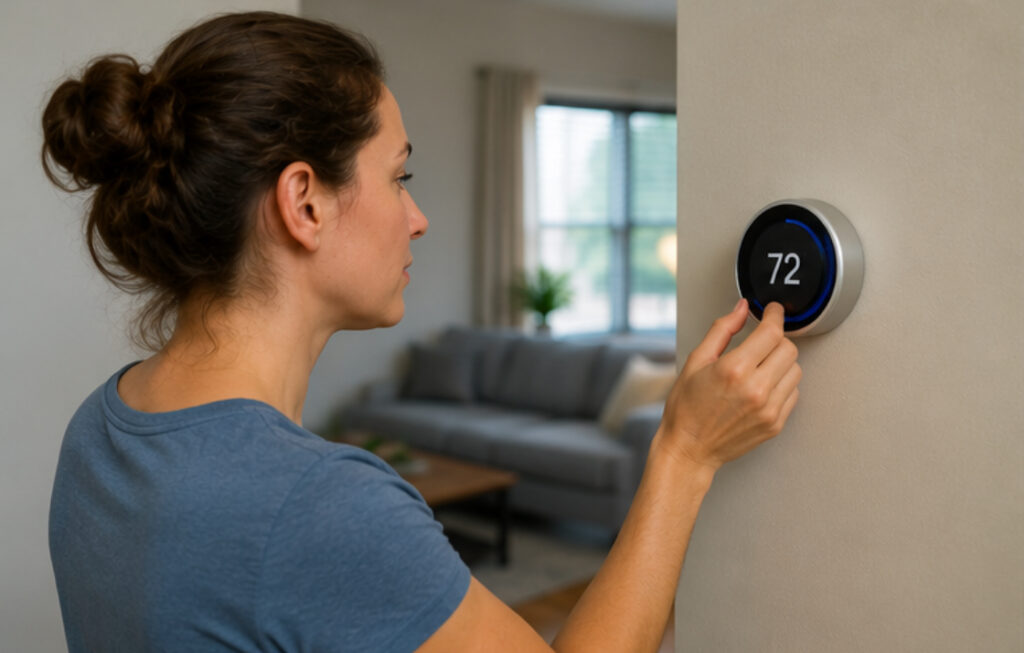
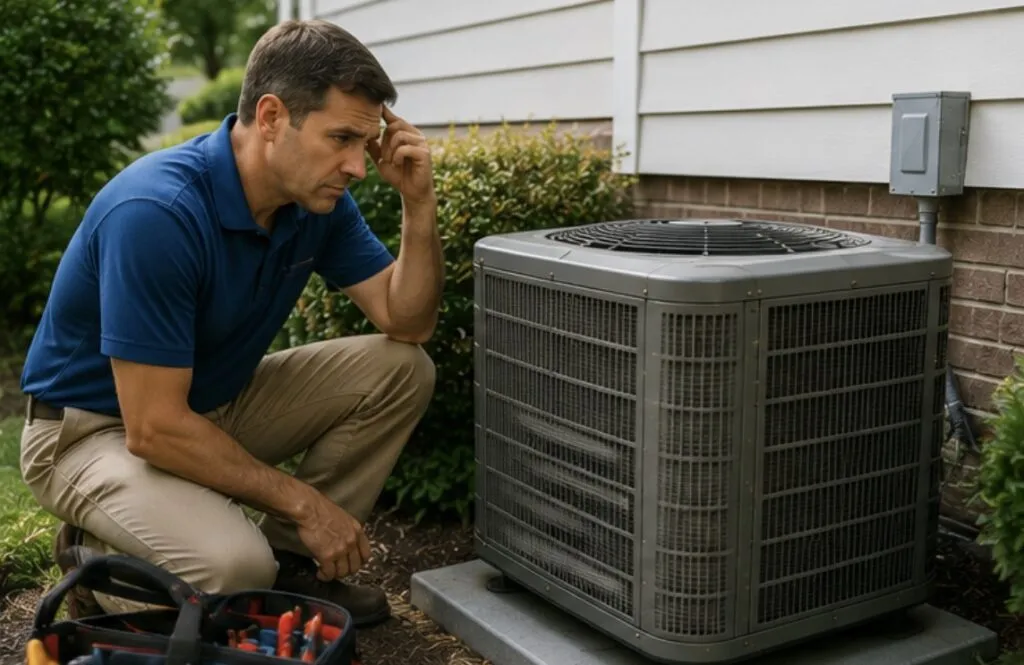
When a heatwave hits Washington, DC, it’s tempting to keep lowering the thermostat in hopes of cooling your home faster. Many homeowners set the temperature several degrees lower than usual, expecting the air conditioner to catch up more quickly. Unfortunately, that’s not how most residential HVAC systems work.
During periods of extreme heat, your air conditioner runs close to its maximum capacity for much of the day. Lowering the thermostat dramatically won’t make the system cool faster, but it can make it run longer, increase energy consumption, and place additional strain on important HVAC components. Understanding how your thermostat works during a heatwave can help you stay comfortable while avoiding unnecessary wear on your system.
Does Lowering the Thermostat Cool Your Home Faster?

The simple answer is no. A standard central air conditioner cools at the same rate regardless of whether the thermostat is set to 75°F or 68°F. The thermostat simply tells the system when to stop cooling, not how hard to work.
For example, if your home is 82°F and you lower the thermostat from 74°F to 68°F, the air conditioner won’t produce colder air. It will simply continue running until it reaches the lower temperature, which may take much longer during a Washington, DC heatwave.
On days when outdoor temperatures reach the upper 90s with high humidity, it’s normal for an air conditioner to run for extended periods. Continuous operation during peak afternoon heat doesn’t always indicate a problem if your home remains comfortable.
What Happens When You Keep Lowering the Temperature?
Constantly lowering the thermostat during a heatwave often creates unrealistic expectations for the HVAC system. Instead of improving cooling performance, it usually increases runtime while placing additional demand on the equipment. Over time, this can contribute to higher utility bills and unnecessary wear.
| Thermostat Habit | What Usually Happens |
|---|---|
| Lowering the temperature several degrees at once | The AC runs longer but doesn’t cool the home any faster. |
| Setting the thermostat below normal comfort levels | Increases electricity use during peak cooling hours. |
| Frequently adjusting the thermostat | Prevents the system from maintaining a consistent indoor temperature. |
| Keeping doors and windows open | Allows hot, humid air into the home, increasing the cooling load. |
| Ignoring routine maintenance | Dirty filters and coils reduce efficiency during periods of high demand. |
A more effective approach is to choose a comfortable temperature and allow the system to maintain it. Consistent thermostat settings help your air conditioner operate more efficiently throughout the day.
What Temperature Should You Set During a DC Heatwave?

There’s no single thermostat setting that’s perfect for every home, but many HVAC professionals recommend keeping it between 74°F and 78°F while you’re home. This range typically balances comfort, humidity control, and energy efficiency without placing unnecessary strain on the system.
The ideal setting also depends on factors like your home’s insulation, sun exposure, number of occupants, and indoor humidity levels. Homes with large west-facing windows or older insulation may naturally feel warmer during the afternoon, even when the air conditioner is operating properly.
A few simple habits can also help improve comfort during extreme heat.
Keep Your Thermostat Consistent
Avoid making frequent thermostat adjustments throughout the day. A steady setting allows your air conditioner to maintain a more consistent indoor environment while reducing unnecessary runtime during periods of extreme heat.
Adjust Temperatures When You’re Away
If you’ll be away from home for several hours, raising the thermostat slightly can reduce energy consumption without making the house difficult to cool once you return.
Use Ceiling Fans to Improve Comfort
Ceiling fans help circulate cooled air throughout the room, making your home feel more comfortable while reducing the urge to continually lower the thermostat during hot afternoons.
Give Your AC Time to Control Humidity
A properly operating air conditioner removes moisture as it cools your home. Maintaining a consistent thermostat setting allows longer cooling cycles that improve humidity control and overall indoor comfort.
Avoid Constant Thermostat Adjustments
Resist lowering the thermostat every time your home feels slightly warm. If your system is operating correctly, keeping it between 74°F and 78°F allows it to cool efficiently while avoiding unnecessary strain during Washington, DC heatwaves.
Following these thermostat habits can help your air conditioner operate more efficiently during Washington, DC heatwaves while improving overall comfort. If you’re still adjusting the thermostat several times a day to stay comfortable, upgrading to a programmable thermostat can automatically maintain consistent temperatures, improve energy efficiency, and reduce unnecessary strain on your HVAC system.
If comfort problems continue even with proper thermostat settings, a professional HVAC inspection can identify whether your system needs AC maintenance or repairs.
When Is It a Sign That Your AC Isn’t Keeping Up?
It’s normal for an air conditioner to run longer during a Washington, DC heatwave, especially when outdoor temperatures climb into the upper 90s. However, there comes a point where long run times indicate the system needs attention rather than simply working hard. Knowing the difference can help you avoid unnecessary breakdowns during the hottest part of the summer.
If your indoor temperature continues rising even though the AC has been running for hours, or the home never reaches within 2 to 3 degrees of your thermostat setting, it’s time to have the system inspected. Reduced airflow, warm air from the vents, or unusually high indoor humidity are also signs that something may be limiting your system’s performance.
| Warning Sign | What It Could Mean |
|---|---|
| Air from the vents isn’t as cool as usual | Dirty coils, low refrigerant, or restricted airflow may be reducing cooling capacity. |
| Cooling cycles last all afternoon | The system may be struggling because of maintenance issues or excessive heat gain. |
| Indoor humidity remains above 50% | The AC isn’t removing moisture as efficiently as it should. |
| Certain rooms stay much warmer | Airflow imbalance or ductwork issues may be affecting comfort. |
| Energy bills suddenly increase | The system is working harder to produce the same level of cooling. |
Addressing these issues early often prevents emergency repairs and helps restore both comfort and energy efficiency.
Should You Leave Your Thermostat at One Temperature During a Heatwave?

Many homeowners adjust the thermostat several times throughout the day, hoping to make the house cool faster as outdoor temperatures rise. In reality, frequent thermostat changes usually make your air conditioner run longer without improving comfort. Every time the setting is lowered several degrees, the system simply continues running until it reaches the new temperature.
Keeping the thermostat at a consistent setting allows your HVAC system to maintain a steadier indoor temperature and reduce unnecessary cycling. If you’re leaving home for several hours, increasing the thermostat by 2°F to 4°F can help reduce energy use without making the house difficult to cool when you return.
Use a Programmable or Smart Thermostat
Programmable and smart thermostats automatically adjust temperatures based on your daily schedule. Instead of manually changing the thermostat throughout the day, these controls help maintain comfort while reducing unnecessary runtime during Washington’s hottest afternoons.
Avoid Large Temperature Swings
Changing the thermostat from 76°F to 68°F won’t cool your home any faster. Smaller adjustments help maintain more consistent indoor comfort while reducing unnecessary strain on your air conditioner.
Be Patient During Peak Heat
When outdoor temperatures approach 95°F to 100°F, it’s normal for your AC to run much longer than it does during mild weather. As long as your home is maintaining a comfortable indoor temperature, extended cooling cycles are often part of normal operation.
If your home still struggles to stay comfortable after reducing the cooling load, don’t assume lowering the thermostat is the answer. Choosing an experienced air conditioning contractor ensures your system is properly evaluated for airflow restrictions, refrigerant performance, and overall cooling efficiency, helping you receive the right solution instead of unnecessary repairs or guesswork.
Why Choose Su’Coy HVAC for AC Service in Washington, DC?

Using the right thermostat settings during a heatwave can improve comfort, but if your air conditioner still can’t maintain the temperature you’ve selected, the problem usually goes beyond the thermostat. Restricted airflow, dirty coils, low refrigerant, or aging equipment can all reduce cooling performance during Washington’s hottest and most humid days. At Su’Coy HVAC, we identify the root cause before recommending the right solution for your home.
Since 1996, homeowners throughout Washington, DC have trusted Su’Coy HVAC for professional AC maintenance, expert AC repair, programmable thermostat installation, and energy-efficient AC replacement. Our experienced technicians evaluate your entire cooling system to ensure it operates efficiently, controls humidity, and delivers reliable comfort during every summer heatwave.
If you’re constantly lowering the thermostat but your home still feels warm, don’t keep guessing. Contact Su’Coy HVAC for a professional HVAC evaluation, and we’ll help you find the most effective solution to improve comfort, lower energy costs, and keep your home cool all summer long.