Skip to content
 moisture, mold, indoor mold, basement, insurance, water damage, duct, crawl space, plumbing, termite, renovation, indoor air quality, drywall, inspection, allergy, maryland, leak, spore, home inspection, odor, radon, mold inspection service, commercial mold remediation, remediation services, mold removal, restoration, mold remediation services, duct cleaning, mold removal services, mold problem, mold inspection services, restoration services, mold inspection, air duct, moldgone, remediation, mold damage, residential mold removal, mold remediation service, mold remediation, bathroom, hepa, construction, humidity, ceiling, baltimore, washington metropolitan area, cost, water, building material, carpet, kitchen, laboratory, antimicrobial, toxicity, inspector, management, evaluation, condensation, fungus, roof, lead, asbestos, flood, fire, pest control, chimney, floor, reputation, lead paint, smoke, health, emergency, paint, homeadvisor, carpet cleaning, damage restoration, water damage fire, damage restoration services, water damage repair, water damage restoration, air duct cleaning, damage, dryer vent cleaning, roof repair cost, professional mold removal, fire damage, restoration company, carpet water damage, accessibility, upholstery, water extraction, customer satisfaction, garage, pressure washing, natural disaster, disaster, attic, angi, emergency service, concrete, siding, fireplace, mildew, waterproofing, maryland mold removal, black mold removal, mold remediation company, property damage, zip code, landlord, dehumidifier, filtration, personal protective equipment, wood, expert
Frequently Asked Questions
How do I find a reliable mold removal company in Temple Hills?
Finding a reliable mold removal company in Temple Hills involves researching local options, checking online reviews, and verifying credentials. Look for companies with experience in mold remediation and ask for references to ensure quality service.
How long does the mold removal process take in Temple Hills?
The duration of the mold removal process in Temple Hills typically ranges from a few days to a week, depending on the extent of the infestation and the specific conditions of your home.
What are the benefits of mold testing in Temple Hills MD?
The benefits of mold testing in Temple Hills, MD, include identifying mold presence, assessing health risks, and guiding effective remediation strategies. This proactive approach ensures a healthier indoor environment and enhances overall air quality for residents.
Can mold removal services prevent future growth in my home?
Mold removal services can significantly reduce the risk of future growth in your home. By effectively eliminating existing mold and addressing underlying moisture issues, these services create a healthier indoor environment and help prevent mold from returning.
How to choose a mold inspector in Temple Hills MD?
Choosing a mold inspector in Temple Hills, MD involves researching their qualifications, experience, and customer reviews. Look for certified professionals who use advanced testing methods and provide clear, detailed reports on their findings.
Can mold inspection prevent property damage in Temple Hills MD?
Mold inspection can prevent property damage in Temple Hills, MD, by identifying hidden mold issues early. This proactive approach allows for timely remediation, protecting your home from structural damage and health risks associated with mold growth.
Can mold cause health issues in Temple Hills MD residents?
Mold can indeed cause health issues for residents in Temple Hills, MD. Exposure to mold may lead to respiratory problems, allergies, and other health concerns, particularly for those with pre-existing conditions.
How can I prevent mold growth in Temple Hills MD homes?
Preventing mold growth in Temple Hills, MD homes involves controlling moisture levels. Ensure proper ventilation, fix leaks promptly, and use dehumidifiers in damp areas to maintain humidity below 50%. Regularly clean and inspect for mold-prone areas to safeguard your home.
Do I need a professional for mold removal in Temple Hills MD?
The need for a professional for mold removal in Temple Hills, MD, is essential. Professionals have the expertise and equipment to effectively eliminate mold and ensure it does not return, safeguarding your indoor air quality and home comfort.
What is the process of mold inspection in Temple Hills MD?
The process of mold inspection in Temple Hills, MD, involves a thorough examination of your property to identify mold growth, assess moisture sources, and determine the extent of contamination, ensuring effective remediation strategies can be implemented.
How to detect mold growth in Temple Hills MD homes?
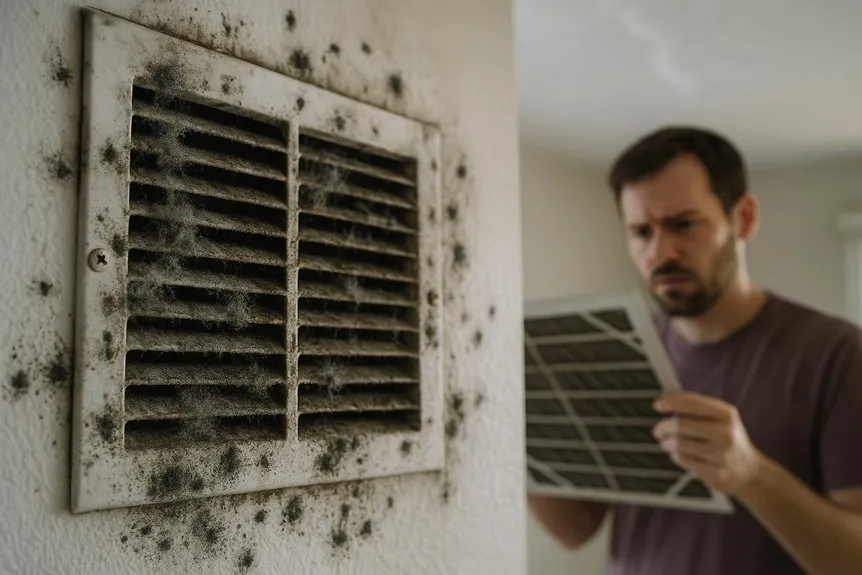
Detecting mold growth in Temple Hills, MD homes involves looking for visible signs such as discoloration on walls, ceilings, or floors, and musty odors. Check damp areas like basements and bathrooms, as well as behind appliances and under sinks for hidden mold.
What are the signs of mold growth in Temple Hills homes?
The signs of mold growth in Temple Hills homes include visible mold patches, musty odors, water stains on walls or ceilings, and increased humidity levels. If you notice any of these indicators, it's essential to address the issue promptly.
What is the cost of mold remediation in Temple Hills MD?
The cost of mold remediation in Temple Hills, MD varies based on factors like the extent of the mold problem and the size of the affected area. Typically, homeowners can expect to pay between $1,500 and $3,500 for comprehensive services.
What are the most common areas for mold growth in Temple Hills MD?
The most common areas for mold growth in Temple Hills, MD, include damp basements, bathrooms, kitchens, and areas with poor ventilation. These locations provide the moisture and warmth that mold thrives on, making them susceptible to infestations.
How does humidity contribute to mold growth in Temple Hills MD?
Humidity significantly contributes to mold growth in Temple Hills, MD, as elevated moisture levels create an ideal environment for mold spores to thrive, leading to potential health risks and damage to homes.
What are the health risks associated with mold in Temple Hills homes?
The health risks associated with mold in Temple Hills homes include respiratory issues, allergic reactions, and potential infections, particularly for individuals with weakened immune systems or pre-existing conditions. It's crucial to address mold problems promptly to protect your health.
What is the cost of mold removal services in Temple Hills MD?
The cost of mold removal services in Temple Hills, MD, typically ranges from $500 to $6,000, depending on the severity of the mold problem and the size of the affected area. For an accurate estimate, it's best to consult with a professional service like Su'Coy Heating, AC & Duct Cleaning.
What qualifications should a mold inspector have?
The qualifications a mold inspector should have include relevant certifications, such as from the Institute of Inspection, Cleaning and Restoration Certification (IICRC), experience in mold assessment, and knowledge of building science and indoor air quality standards.
How often should I test for mold?
The frequency of mold testing depends on various factors, such as recent water damage or visible mold growth. Generally, it is advisable to test for mold at least once a year to ensure a healthy indoor environment.
What are the signs of mold exposure?
The signs of mold exposure include respiratory issues, such as coughing and wheezing, skin irritation, headaches, and fatigue. If you experience these symptoms, it may indicate the presence of mold in your environment.
How can I prepare for mold removal?
Preparing for mold removal involves clearing the affected area of furniture and personal items, ensuring proper ventilation, and wearing protective gear such as masks and gloves. This helps create a safe environment for effective remediation.
What equipment is used for mold testing?
The equipment used for mold testing includes air sampling pumps, surface sampling kits, and moisture meters. These tools help identify mold presence and assess indoor air quality effectively.
How does mold affect indoor air quality?
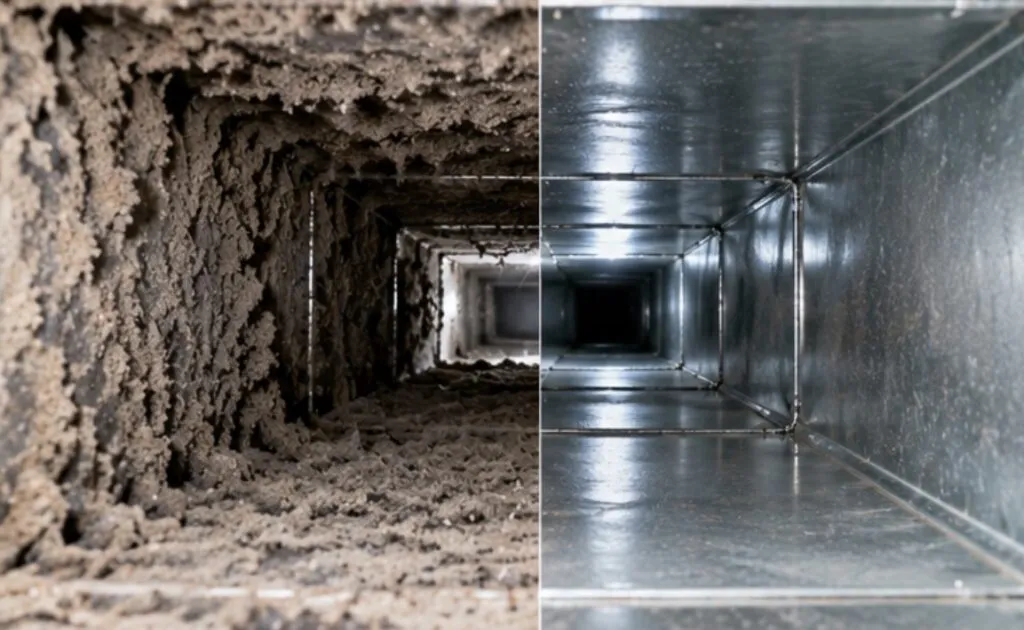
Mold significantly impacts indoor air quality by releasing spores and volatile organic compounds (VOCs) into the air. This can lead to respiratory issues, allergies, and other health problems, making it essential to address mold growth promptly.
What should I do after mold removal?
After mold removal, it's important to ensure the affected area is thoroughly cleaned and dried, monitor for any signs of mold return, and maintain proper ventilation and humidity levels to prevent future growth.
Are DIY mold removal methods effective?
DIY mold removal methods can be effective for small, surface-level mold problems; however, they often fail to address underlying issues and larger infestations. For comprehensive mold remediation, professional services are recommended to ensure complete removal and prevent recurrence.
How can I identify hidden mold sources?
Identifying hidden mold sources involves inspecting areas prone to moisture, such as behind walls, under sinks, and in attics or basements. Look for water stains, peeling paint, or a musty odor, as these are indicators of potential mold growth.
What is the timeline for mold inspection?
The timeline for mold inspection typically involves scheduling the inspection within a few days, followed by a thorough assessment that usually takes 1-2 hours, depending on the property size and complexity of the mold issue.
What are the best practices for mold prevention?
The best practices for mold prevention include maintaining low indoor humidity levels, ensuring proper ventilation, fixing leaks promptly, and regularly cleaning and inspecting areas prone to moisture, such as bathrooms and basements.
How can I improve ventilation to reduce mold?
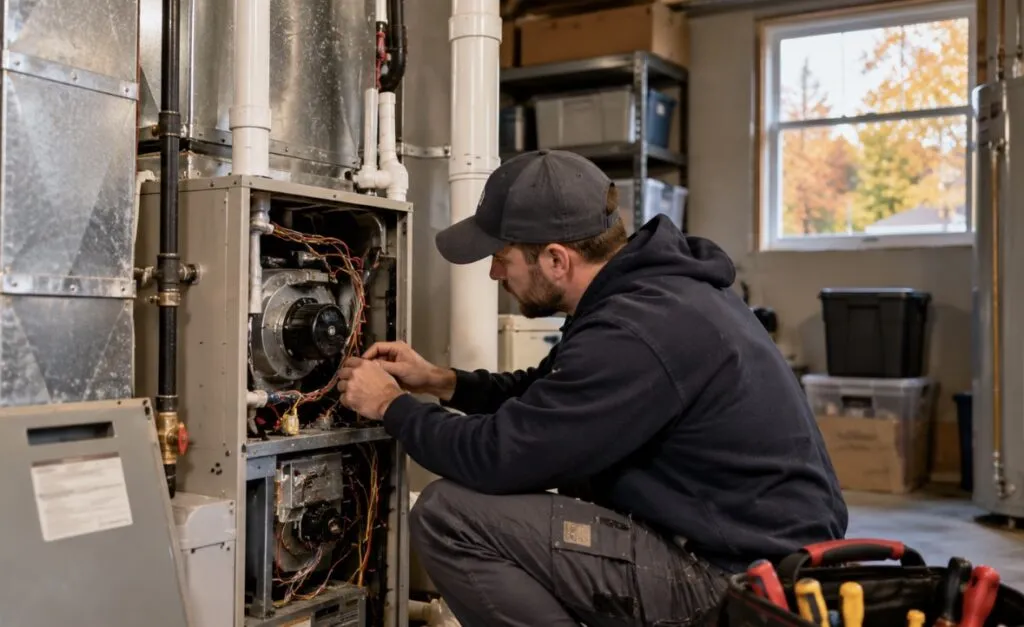
Improving ventilation is essential to reduce mold growth. To achieve this, ensure proper air circulation by using exhaust fans in kitchens and bathrooms, opening windows when weather permits, and regularly servicing your HVAC system to maintain optimal airflow.
What should I look for in mold removal services?
When seeking mold removal services, look for certified professionals with experience, a thorough inspection process, safe and effective remediation techniques, and a clear plan that includes follow-up assessments to ensure the mold is completely eliminated.
mold damage hillcrest, mold remediation montgomery county md, mold remediation tips temple hills md, how to prevent mold in hvac temple hills md, mold removal guide temple hills md, hvac mold remediation temple hills md, mold prevention in homes temple hills md, black mold removal tips temple hills md, mold remediation cost guide temple hills md, hvac mold cleaning tips temple hills md, mold in air ducts solutions temple hills md, professional mold remediation temple hills md, mold remediation safety tips temple hills md, hvac mold prevention guide temple hills md, mold removal for hvac systems temple hills md, indoor mold remediation tips temple hills md, mold cleanup best practices temple hills md, mold remediation hillcrest, mold removal companies temple hills
The Importance of Mold Remediation for Indoor Air Quality
Mold remediation is crucial for maintaining a healthy indoor environment. Mold can produce allergens and irritants that may lead to respiratory issues, skin irritation, and other health problems. By addressing mold growth promptly, homeowners can significantly improve their indoor air quality and overall comfort.
In addition to health benefits, effective mold remediation can enhance the longevity of your home. Mold can weaken structural components and lead to costly repairs if left untreated. Regular inspections and timely remediation can save homeowners from extensive damage and preserve the integrity of their property.
Common Myths About Mold and Remediation
There are several misconceptions surrounding mold and its remediation that can hinder effective management. One common myth is that simply cleaning mold with bleach is sufficient to eliminate it. In reality, bleach may not penetrate porous surfaces, allowing mold to regrow. Understanding these myths is essential for homeowners to make informed decisions about mold management.
Another prevalent myth is that mold only grows in damp areas. However, mold can thrive in various conditions, including hidden spaces like behind walls or under carpets. Recognizing the full scope of mold growth can help homeowners take proactive measures to prevent and address infestations effectively.
When to Call a Professional for Mold Remediation
Knowing when to seek professional help for mold remediation is vital for effective resolution. If you notice extensive mold growth, persistent musty odors, or experience health issues related to mold exposure, it’s time to consult an expert. Professionals have the tools and expertise to conduct thorough inspections and implement comprehensive remediation strategies.
Additionally, if mold is found in hard-to-reach areas or if the affected area exceeds 10 square feet, it is advisable to hire professionals. They can ensure safe removal, prevent cross-contamination, and provide recommendations for future prevention, giving homeowners peace of mind.
Preventative Measures to Avoid Mold Growth
Taking preventative measures is key to avoiding mold growth in your home. This includes maintaining proper ventilation, using dehumidifiers in damp areas, and promptly addressing leaks or water damage. Regularly inspecting your home for signs of moisture can help catch potential issues before they escalate into mold infestations.
Additionally, keeping indoor humidity levels below 60% and ensuring that bathrooms and kitchens are well-ventilated can significantly reduce the risk of mold growth. Homeowners should also consider using mold-resistant products during renovations to further safeguard their spaces against future mold issues.