Skip to content

table{width:100%;border-collapse:collapse;margin:20px 0}table thead{background-color:#f5f5f5}table th{border:1px solid #ddd;padding:12px;text-align:center;font-weight:bold}table td{border:1px solid #ddd;padding:12px;text-align:center}
The first cold night in Washington DC has a way of exposing furnace problems that went unnoticed all summer. A furnace that has been sitting quietly since spring may start with a weak ignition, a restricted filter, an electrical issue, or airflow problem that was never obvious when the system was not running.
That is where fall HVAC maintenance can make a practical difference. It cannot guarantee that an older furnace will never fail, but it can identify worn components, airflow restrictions, safety concerns, and performance issues before your home depends on the system every day. Before another DC winter arrives, it is worth understanding what a maintenance visit can actually prevent and which problems it can catch early.
Why Can a Furnace Break Down After Sitting All Summer?
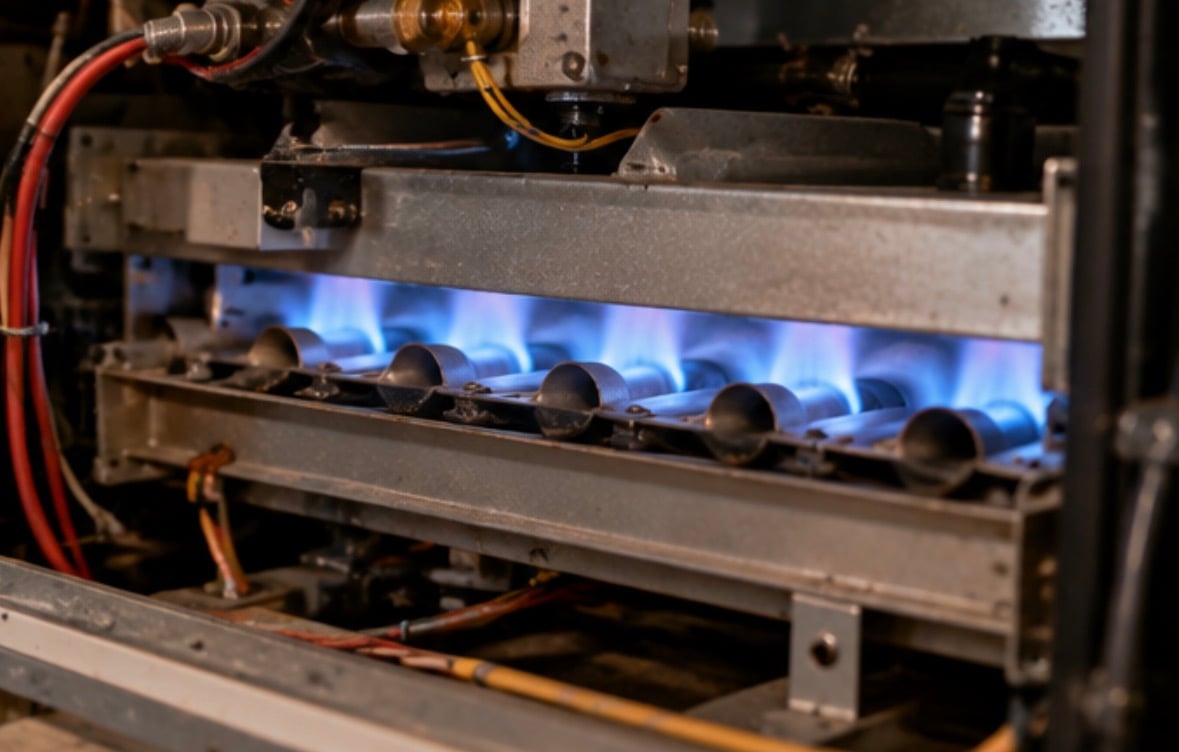
A furnace can appear perfectly healthy after months of inactivity because there has been very little demand on the heating components. In Washington DC, a furnace may run heavily through winter, remain mostly idle from spring through early fall, and then suddenly be expected to operate for hours during a cold night. That first sustained demand can expose problems that were never obvious.
Dust can accumulate around burners and the flame sensor, filters can become increasingly restrictive, and electrical connections can loosen through repeated temperature changes. None of those issues necessarily shows up when you briefly turn the heat on in October. A longer heating cycle places considerably more stress on the equipment.
A fall furnace maintenance service gives a technician an opportunity to find those conditions while there is still time to correct them. That does not eliminate every possible failure, but it can remove several of the problems that commonly turn the first cold snap into a service call.
Which Furnace Problems Can Fall Maintenance Help Prevent?
The strongest case for fall maintenance is a problem caused by dirt, restricted airflow, loose connections, or neglected components. These conditions can often be identified and corrected before the furnace is operating continuously. Maintenance is less effective against electronic components or mechanical parts that fail suddenly without giving measurable warning.
The difference is important because homeowners should know what they are actually paying for. A proper visit reduces avoidable risks rather than promising that a furnace can never break down.
| Potential Problem | Can Fall Maintenance Help? |
|---|---|
| Dirty flame sensor | Yes, cleaning can prevent ignition-related shutdowns |
| Clogged or heavily loaded filter | Yes, replacing it restores proper airflow |
| Dirty burners | Yes, inspection and cleaning can improve combustion |
| Loose electrical connection | Yes, the connection can be identified and corrected |
| Restricted blower airflow | Yes, the blower and wheel can be evaluated |
| Worn igniter | Maintenance can identify weakening or abnormal operation |
| Cracked heat exchanger | Maintenance can identify the safety problem, but cannot prevent the crack |
| Failed control board | Usually no, because electronic failures can occur suddenly |
| Blower motor failure | Wear may be identified, but failure cannot always be predicted |
| Undersized ductwork | No, because this is a design or airflow problem |
This is why the answer to the main question is yes, but with an important qualification. Fall maintenance can reduce the risk of several common furnace breakdowns, but it cannot make an aging system failure-proof.
What Should a DC Furnace Tune-Up Actually Check?
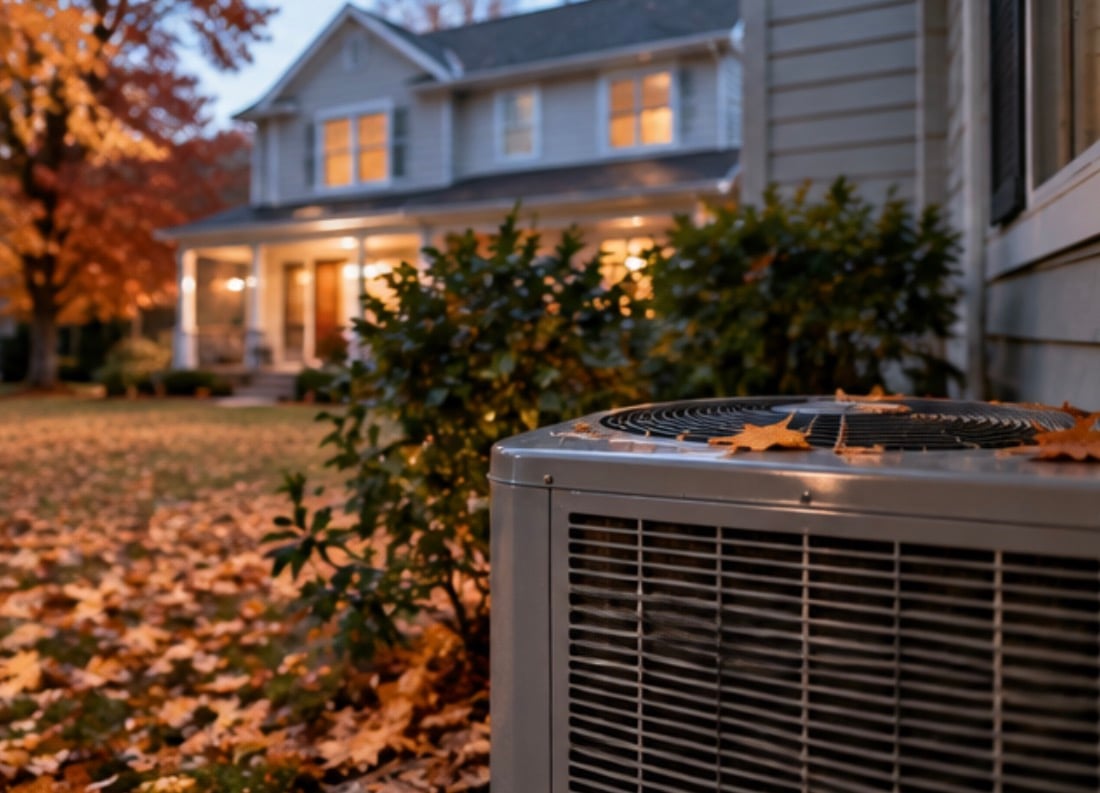
A useful fall visit should focus on the parts that determine whether your furnace can start, operate safely, move enough heated air, and shut itself down when something goes wrong. Simply changing the filter or looking at the thermostat does not provide enough information about the system’s condition before winter.
Flame Sensor and Ignition
The flame sensor confirms that the burners have successfully established a flame. If it is coated with buildup, the furnace may ignite briefly and then shut itself down because the control system does not receive the expected signal.
The ignition sequence should be tested through a complete heating cycle rather than assumed to be working because the furnace eventually produces warm air. A technician can also inspect the igniter for visible deterioration or abnormal operation.
Burners and Combustion
Burners accumulate dust and debris, particularly when equipment has been sitting unused for months. A proper inspection looks for contamination, corrosion, abnormal flame characteristics, and other conditions that could affect combustion.
For a gas furnace, combustion is also a safety issue. The technician should evaluate combustion performance with appropriate instruments rather than relying solely on the appearance of the flame.
Filter and Blower Airflow
A restricted filter forces the furnace to work against higher resistance and can reduce airflow across the heat exchanger. Poor airflow can contribute to overheating and repeated safety shutdowns, while a dirty blower wheel can further reduce the amount of heated air reaching the rooms.
The filter should be checked for both condition and suitability. A higher MERV rating is not automatically better if the furnace and duct system cannot move air through it effectively.
Electrical Connections and Controls
Heating equipment relies on multiple electrical connections, relays, switches, and control components. Connections that have loosened or show evidence of overheating deserve attention before winter demand increases.
Safety controls also need to be tested rather than assumed operational. Limit switches, pressure switches, and flame-sensing controls exist to stop the furnace when operating conditions become unsafe.
Heat Exchanger and Venting
The heat exchanger separates combustion gases from the air circulated through your home, making its condition one of the most important safety considerations on a gas furnace.
The inspection should also include venting and draft conditions. Blocked or deteriorated venting can interfere with the safe removal of combustion gases, so this part of the visit should not be treated as a quick visual check.
Which Warning Signs Should You Address Before Winter?
Fall maintenance is especially worthwhile when your furnace has already shown signs that something is changing. A small symptom in October can be much easier to investigate than the same problem during a January cold snap, when the system may be running for hours at a time.
Pay attention to anything that changed during the previous heating season, along with unusual behavior during your first few fall heating cycles:
- The furnace starts and shuts down quickly: This can point to a flame sensor, ignition, airflow, or safety-control problem that needs diagnosis.
- The furnace repeatedly cycles on and off: A restricted filter, thermostat issue, airflow problem, or operating fault may be preventing normal heating cycles.
- The blower runs but the air stays cool: The furnace may have an ignition, gas valve, control, or other heating-related problem.
- You hear a loud bang when the burners ignite: Delayed ignition can create a noticeable boom and should be professionally inspected rather than ignored.
- A burning smell continues after startup: A persistent odor can indicate an electrical, mechanical, or combustion-related issue rather than normal dust burn-off.
- Some rooms remain noticeably colder: Uneven heating can result from airflow restrictions, ductwork problems, zoning issues, or equipment performance.
- The furnace develops a new rattling or grinding sound: New mechanical noises can indicate a blower, motor, bearing, or other component beginning to fail.
One smell requires immediate action rather than routine maintenance. If you smell rotten eggs or sulfur, leave the home and contact the appropriate gas utility or emergency service. Natural gas is odorized specifically so leaks can be detected by smell.
For other symptoms, scheduling furnace repair in Washington DC before winter gives a technician an opportunity to identify the underlying problem while you still have time to address it without waiting for a no-heat emergency.
When Should You Schedule Fall Furnace Maintenance in Washington DC?
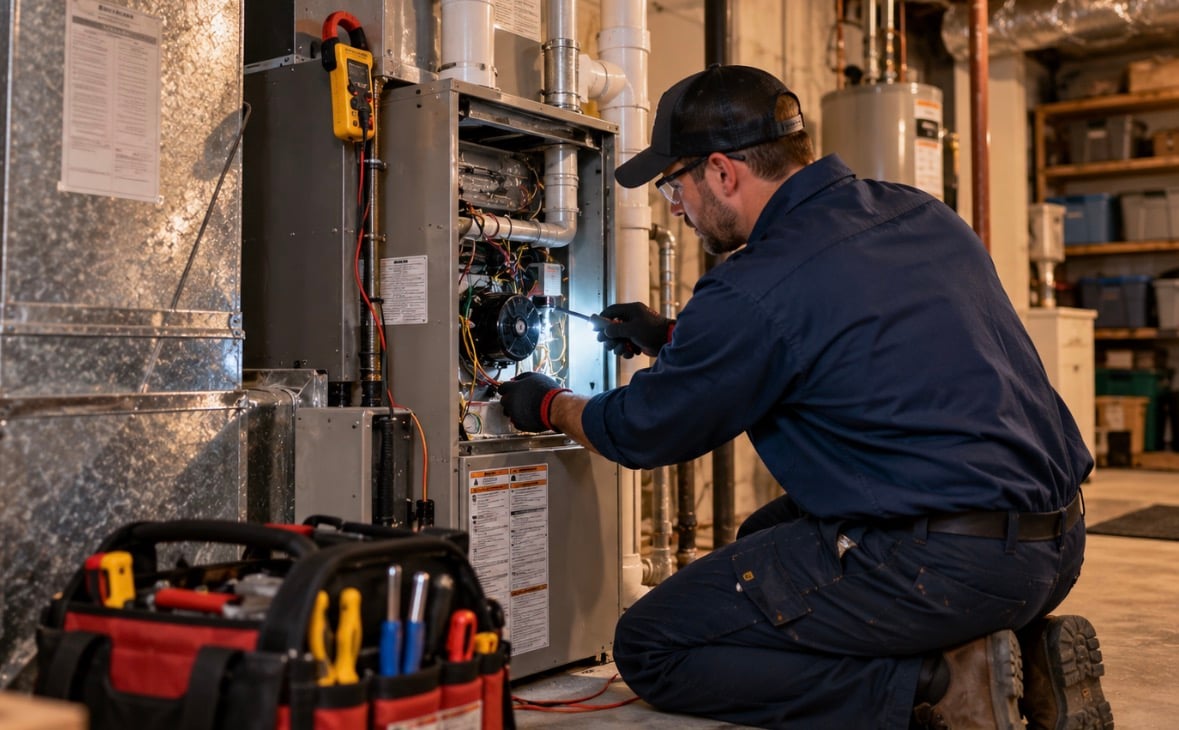
The best time is before you need the furnace every day. September and October are practical months for a maintenance visit because the equipment can be evaluated before sustained cold weather arrives, giving you time to address anything that needs repair without depending on emergency service.
Waiting until the first freezing night removes much of that flexibility. If a technician discovers a worn igniter, airflow restriction, electrical issue, or combustion concern in October, there is time to source parts and complete the work before the furnace becomes essential.
Consider scheduling a fall inspection if:
- Your furnace has not been serviced since last heating season
- The system is more than 10 years old
- It short-cycled or struggled last winter
- You noticed unusual noises during previous heating cycles
- Certain rooms were consistently colder than others
- The filter has not been changed regularly
- The furnace has required repeated repairs
- You noticed unusual odors when the heat started previously
Homeowners with heat pumps should also remember that their heating equipment requires a different inspection. A heat pump uses the outdoor unit during heating mode, so reversing-valve operation, defrost performance, refrigerant operation, and auxiliary heat need to be evaluated. Heat pump repair in Washington DC is a separate service from conventional furnace work.
Fall is also a useful time to think about the broader heating system rather than just the furnace cabinet. If the home has persistent airflow problems, dirty ductwork, or rooms that never heat evenly, those issues can make a properly operating furnace feel unreliable.
FAQs
Can fall maintenance completely prevent a furnace breakdown?
No. It can reduce the risk of problems caused by dirt, restricted airflow, loose connections, and neglected components, but sudden failures of motors, control boards, and other parts can still occur.
How long does a furnace maintenance visit usually take?
A thorough residential inspection commonly takes around 60 to 90 minutes, depending on the equipment, accessibility, condition, and whether the technician finds something requiring additional diagnosis.
Is October too late for furnace maintenance?
No. October is still a useful time to have the system checked before sustained winter demand. Earlier appointments simply give you more time to address repairs if something is discovered.
Should I replace my furnace if it is more than 15 years old?
Not automatically. Age should be considered with repair history, heat exchanger condition, efficiency, parts availability, comfort problems, and the expected cost of keeping the system operating.
Why does my furnace smell when I turn it on in the fall?
A light dusty odor can occur when dust accumulated during the inactive months burns off during the first heating cycles. It should fade relatively quickly. Persistent burning, electrical, or sulfur-like odors require attention.
Does changing the filter count as furnace maintenance?
Filter replacement is important homeowner maintenance, but it is not a complete furnace tune-up. A professional visit should also evaluate ignition, combustion, airflow, electrical components, safety controls, heat exchanger condition, and venting.
Why Choose Su’Coy for Fall Furnace Maintenance in Washington DC?
Fall maintenance cannot promise that a furnace will never fail, but it can remove several common causes of winter breakdowns and identify safety or repair concerns while there is still time to address them. That makes it a practical step before DC’s sustained heating season begins.
Su’Coy Heating, AC and Duct Cleaning has served Washington DC and Prince George’s County since 1996, working with gas, oil, and heat pump systems. Our approach is to evaluate the equipment’s actual condition and explain what needs attention rather than treating every older furnace as a replacement candidate.
If your furnace has not been checked since last winter, schedule an evaluation before the first sustained cold spell. Call (301) 888-0037 or explore our heating services to see what we can help with.