 Skip to content


DC landlord heat requirements apply from October 1 to May 1. During that season, a landlord must keep the rental at 68°F or warmer from 6:30 a.m. to 11 p.m. Overnight, from 11 p.m. to 6:30 a.m., the minimum is 65°F.
The Office of the Attorney General says these minimums cover all habitable rooms, bathrooms and toilet rooms.
Who the DC Heat Rule Covers
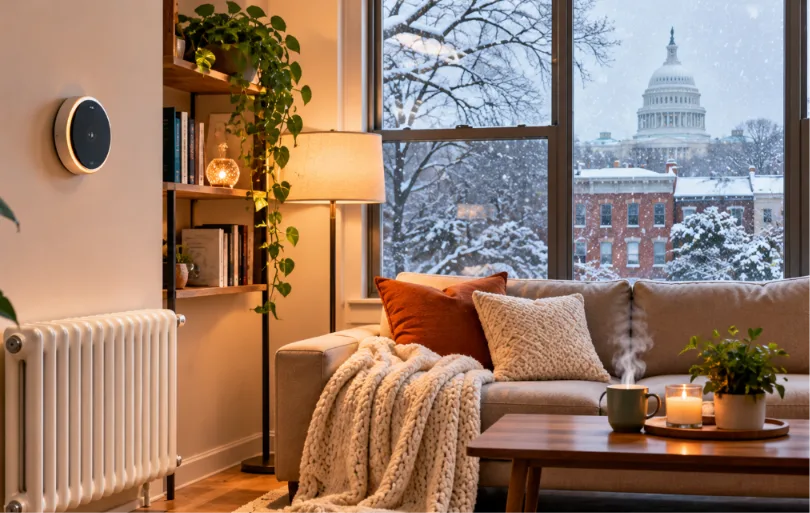
The heat rule applies to housing providers across the District, from large apartment buildings to a single rowhouse rental. These temperatures are minimums, not targets, so many landlords set the heat a few degrees higher to leave a margin.
Older buildings with a two-pipe system need time to switch from cooling to heat. For those, DOB's housing standards say heat must start no later than October 15 and run until at least May 1.
The season covers the whole stretch, so a system that struggles in late April still counts. Plan service around those dates, not the weather.
When the Tenant Controls the Thermostat
In many apartment buildings, the landlord runs a central system and tenants cannot change it. There, the landlord answers for the actual room temperatures.
In many rowhouse rentals, the tenant has a thermostat and picks the setting. Keep the system in good working order either way. A tenant can only set the temperature the equipment is able to reach.
Five Habits That Keep a Rental Warm
Most no-heat complaints start with a few problems you can avoid. These five habits keep a rental warm and cut the chance of a late-night repair.
Yearly Heating Inspection Before October
DC's Attorney General says landlords must have a qualified professional test the heating system every year. Flues, vents and dampers need a yearly carbon monoxide check too. Book it before October 1. Our heating maintenance visits also check for rust and ductwork problems.
Equipment Sized for the Unit
A furnace or heat pump that is too small cannot hold the minimum when it gets into the teens outside. This often happens after a basement conversion or an addition. A load calculation, which measures how much heat the space loses, shows whether the system can keep up.
Heat Reaching Every Room
DC rowhouses often have one floor that stays cold, usually the top floor, a rear addition or a room at the end of a long duct run. Even airflow and sealed ducts help every room reach the minimum, not just the room with the thermostat.
Thermostats Set Up Correctly
In landlord-controlled units, program the thermostat so it never drops below the minimums during the season. In tenant-controlled units, make sure it works, reads correctly and is easy to use. A thermostat that reads wrong can hide a system that is falling behind.
Fast Response to No-Heat Calls
No one can predict the night a furnace quits. Keep the system's make and model on file, choose your repair contact before winter, and show tenants how to report a problem. Then a repair can start within hours instead of days.
Can a Space Heater Fill the Gap?
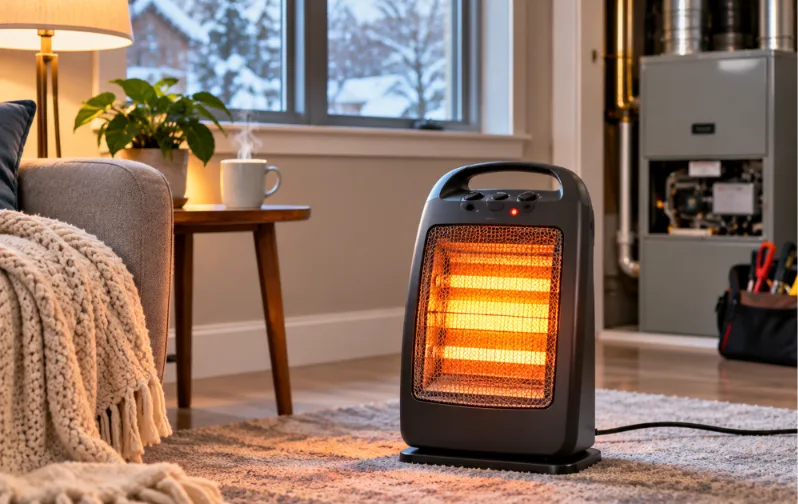
A space heater can make one room more comfortable for a few hours while you wait for a repair. It is never the fix, and the rental still needs working heat that meets the standard.
Space heaters also bring fire risk and can overload the circuits in older DC buildings. If you supply one, choose a model with tip-over and overheat protection. Remind the tenant to plug it straight into the wall. Then get the system repaired fast and record each step.
When a Tenant Reports No Heat
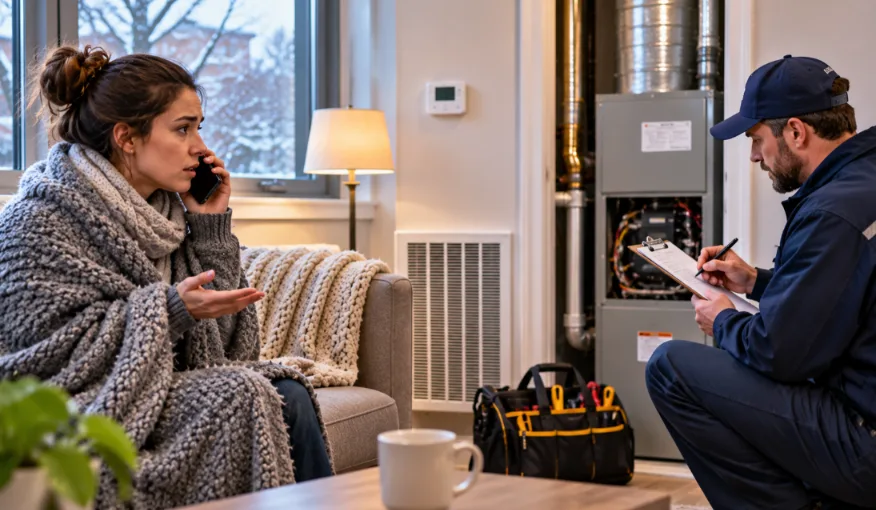
A slow answer to a no-heat report can bring in a city inspector. DC's Attorney General also uses housing violations as evidence when it sues a negligent landlord. A fast response with a paper trail protects your tenant and you.
The best defense is acting before a complaint is filed. Move quickly, keep the tenant informed and keep a record of each step.
- Answer the report the same day and book service right away.
- Note the temperature in each affected room with a thermometer.
- Save texts, invoices and technician reports for every repair.
- Check with the tenant that the heat is back and holding.
Records matter more than most landlords expect. A file that shows a prompt response, a technician's visit and a finished repair tells a clear story if a dispute ever reaches an inspector.
Heating Repair and Maintenance for Rental Owners
Meeting the District's heat rule comes down to a system checked before the season and a fast fix when it fails. When a furnace quits, call our furnace repair team. We fix what's broken, and we tell you plainly when something isn't worth fixing.
Su'Coy HVAC has worked out of Temple Hills since 1996, with heating, cooling and duct cleaning under one roof. We'd rather teach you to look after a system than sell you a new one.
For ongoing care, ask about our Comfort Guardian Plan when you call. Our service areas page shows where we work. Call us to book a heating inspection before winter sets in.
[Call (301) 888-0037]
Frequently Asked Questions
Do DC landlords have to provide air conditioning?
Where a rental has air conditioning, DOB says it must run from no later than May 15 to no earlier than September 15. Rooms it serves must stay at 78°F or at least 15 degrees below the outdoor temperature, whichever is warmer.
What is 14 DCMR 501?
It is the section of DC's housing regulations titled Heating of Residential Buildings, in Title 14, Chapter 5. You can read it on the DC Municipal Regulations site. The Department of Buildings enforces the District's property maintenance codes on every residential building.
How does a DC tenant report a landlord for no heat?
Tenants should first ask the landlord for the repair in writing. If nothing happens, DOB's reporting guide says to request an inspection by phone or at dob@dc.gov. An inspection is usually set within a week. For an urgent problem, 311 connects to an on-duty inspector.
What counts as a heating emergency in a rental?
A gas smell or a carbon monoxide alarm is an emergency, so get everyone out and call 911. DOB requires carbon monoxide detectors near sleeping rooms wherever a fuel-burning appliance is present. A total loss of heat on a freezing night also needs a same-day repair.
What hot water temperature must a DC rental have?
DOB's housing standards call for hot water of at least 110°F at bathroom and kitchen sinks, along with cold running water. Like the heating system, the hot water system also needs a yearly test by a qualified professional, according to DC's Attorney General.


