Skip to content

In many DMV Area homes, homeowners notice weak airflow, rising dust levels, or rooms that never seem to cool evenly, even when the HVAC system is running constantly. In many cases, the issue is not the AC unit itself but the condition of the ductwork carrying air throughout the home. As dust, debris, and indoor contaminants build up inside ducts over time, airflow becomes restricted and indoor air quality begins to decline.
The DMV region’s seasonal humidity, pollen levels, and year-round HVAC usage can accelerate buildup inside duct systems, especially in older homes or properties with neglected maintenance. Understanding how dirty ductwork impacts both airflow and indoor comfort helps homeowners recognize when professional duct cleaning and proper home air filter maintenance may be needed.
Why Air Duct Condition Matters in DMV Homes

Air ducts are responsible for distributing conditioned air throughout every room in your home. When ductwork is clean and airflow remains balanced, the HVAC system can operate efficiently and maintain consistent comfort. However, when dust and debris begin accumulating inside ducts, airflow resistance increases, forcing the system to work harder to circulate air properly.
In many DMV homes, HVAC systems operate heavily during both humid summers and cold winters, which means air continuously moves through the duct system for long periods throughout the year. Over time, this constant airflow allows contaminants to settle inside duct surfaces, especially when home air filters are not replaced regularly. Even small airflow restrictions inside the duct system can reduce HVAC efficiency by 15–20%, affecting both comfort and energy usage.
How Dirty Ductwork Develops Over Time
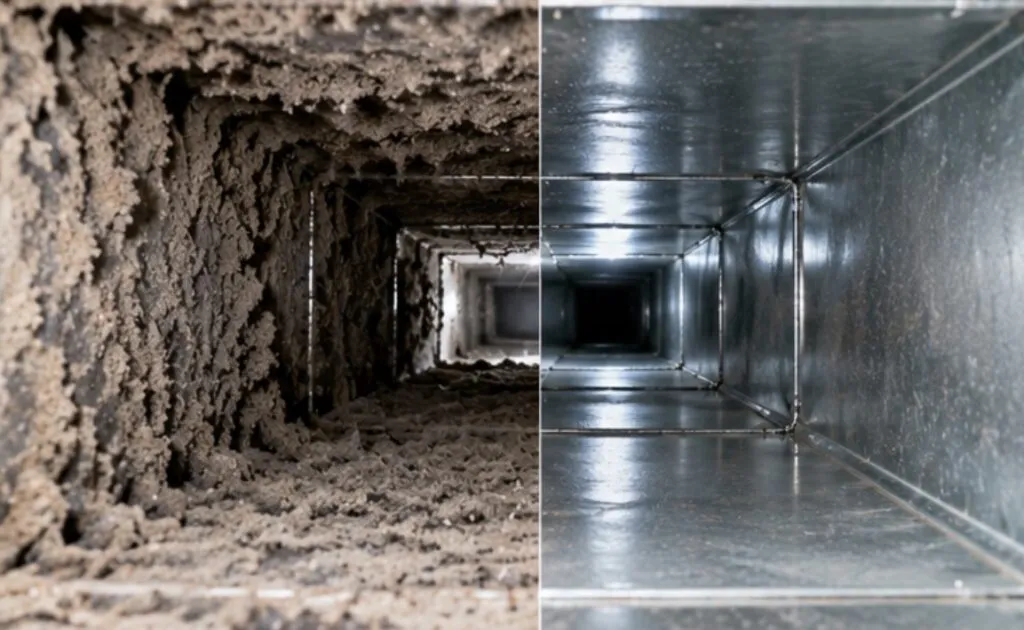
Dirty ductwork usually develops gradually rather than all at once. As air circulates through the HVAC system daily, microscopic dust particles, pet dander, insulation fibers, and other airborne contaminants begin settling inside the ducts. Without regular maintenance or professional duct cleaning, this buildup continues accumulating and eventually starts affecting airflow performance.
In the DMV area, seasonal pollen, humidity fluctuations, and tightly sealed homes can accelerate indoor contaminant buildup. Homes with pets, ongoing renovations, or older HVAC systems often experience even faster duct contamination because more particles are continuously entering the airflow system.
Dust and Debris Accumulation
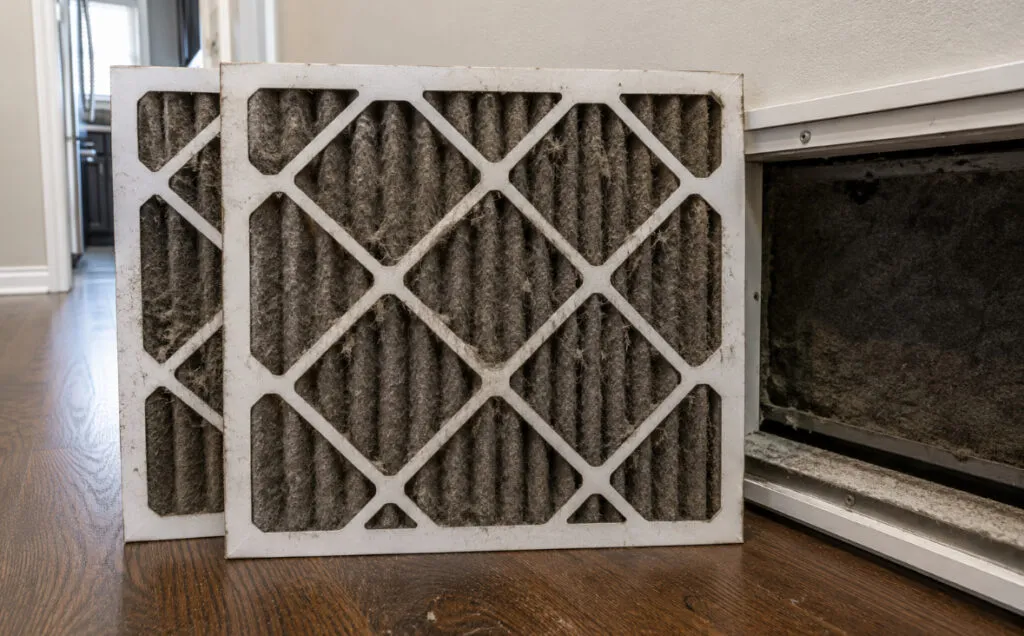
Dust accumulation is one of the most common issues inside residential duct systems. Even with properly installed home air filters, fine particles can still circulate and settle inside duct surfaces over time. In homes where filters are not changed every 30–90 days, dust buildup tends to increase much faster.
Common sources of duct buildup include:
- Household dust and microscopic debris
- Pet hair and dander circulation
- Construction dust from renovations or repairs
- Insulation particles from attics or crawlspaces
- Outdoor contaminants entering through ventilation
As these particles collect inside the ducts, airflow pathways become narrower, reducing how efficiently conditioned air reaches each room.
Moisture and Indoor Contaminant Buildup
Humidity plays a major role in how contaminants accumulate inside ductwork. In the DMV region, indoor humidity levels often rise during summer months, especially when HVAC systems are running continuously. Moisture inside ducts can cause dust and airborne particles to stick to surfaces more easily, creating heavier buildup over time.
This moisture-related accumulation can also contribute to stale indoor air and unpleasant odors when the HVAC system starts running. Homes with poor airflow balance or inconsistent maintenance are often more vulnerable to these issues, particularly during high-humidity periods.
How Dirty Air Ducts Restrict Airflow
Dirty air ducts directly affect how air moves through your HVAC system. As buildup increases inside the ductwork, the system has to push air through narrower airflow pathways, which reduces overall circulation efficiency. In many cases, homeowners notice airflow problems gradually rather than suddenly because restrictions develop slowly over time.
When airflow becomes restricted, the HVAC system compensates by running longer cycles to maintain the thermostat setting. This increases system strain and energy consumption while reducing overall comfort throughout the home.
Reduced Air Distribution Across Rooms
One of the earliest signs of dirty ductwork is uneven airflow between rooms. Some areas may feel comfortable while others remain noticeably warmer or cooler because conditioned air is no longer distributing evenly throughout the home.
In practical HVAC inspections, airflow differences of 20–30% between rooms are often linked to duct restrictions, buildup, or leakage issues. This imbalance becomes even more noticeable during extreme summer or winter conditions when the system is under heavier demand.
Longer HVAC Runtime and System Strain
When airflow is restricted, the HVAC system must run longer to achieve the desired indoor temperature. Systems in the DMV area already operate heavily during seasonal peaks, and restricted ducts add even more workload to components such as blower motors and compressors.
Over time, this extended runtime increases wear on critical system parts and can shorten HVAC lifespan. It also contributes to rising utility costs because the system consumes more energy while producing less effective airflow.
Uneven Cooling and Weak Airflow Problems
Dirty ductwork often causes weak airflow from vents, particularly in rooms farther away from the HVAC system. Homeowners may notice that airflow feels weaker than normal or that certain vents barely push air despite the system running continuously.
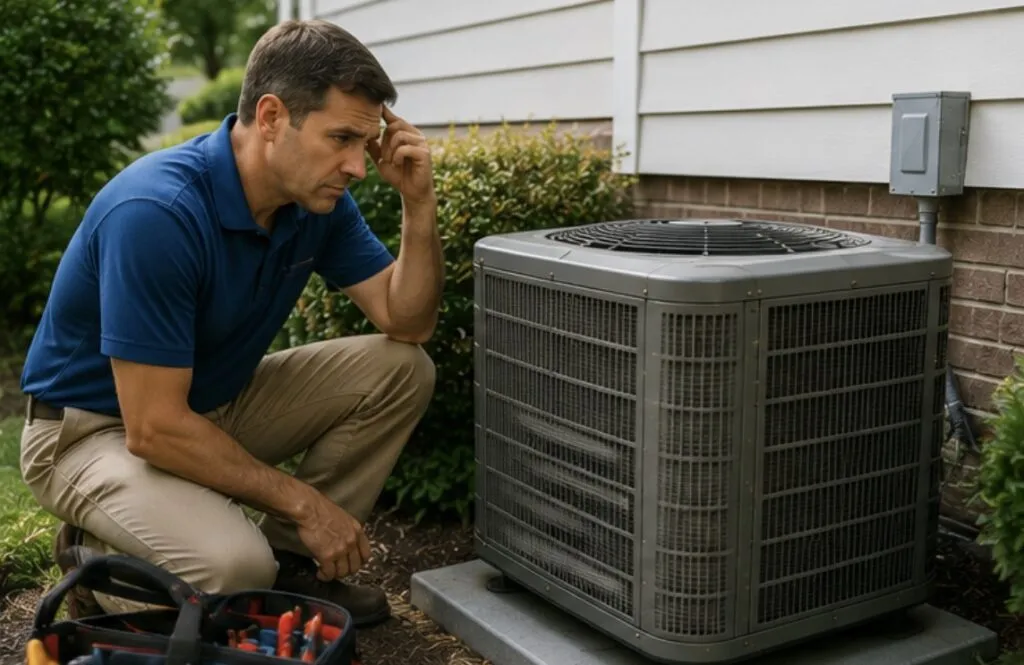
This issue is commonly mistaken for an AC equipment problem when the actual restriction exists inside the duct system itself. Professional duct cleaning combined with regular home air filter replacement helps restore balanced airflow and improve overall HVAC performance.
The Impact of Dirty Ducts on Indoor Air Quality

Dirty duct systems affect more than airflow, they also influence the quality of the air circulating inside your home. Every time the HVAC system runs, airborne particles inside the ducts are redistributed into living spaces. Over time, this can increase indoor dust levels, worsen allergy symptoms, and create a heavier indoor environment.
In homes across the DMV area, tightly sealed construction combined with seasonal humidity often traps contaminants indoors for longer periods. When ducts contain excessive buildup, indoor air quality can gradually decline even if the HVAC equipment itself is functioning properly.
Dust Circulation Inside the Home
One of the most noticeable effects of dirty ductwork is increased dust circulation. Homeowners often find themselves cleaning surfaces more frequently because dust continues recirculating through the vents and settling throughout the home.
In many cases, excessive indoor dust is linked to neglected duct cleaning or clogged home air filters that allow more particles to move through the HVAC system. Once buildup becomes significant, airflow continuously redistributes these contaminants every time the system operates.
Allergens and Respiratory Irritation
Dirty ducts can contribute to indoor allergen exposure by circulating pollen, pet dander, and fine airborne particles throughout the home. Individuals with allergies, asthma, or respiratory sensitivities often notice symptoms becoming worse indoors when air quality declines.
Common indoor symptoms may include:
- Frequent sneezing or nasal irritation
- Dry throat or coughing indoors
- Increased dust sensitivity
- Eye irritation when HVAC runs
- Heavier or stale indoor air feeling
Maintaining clean ducts and regularly replacing home air filters helps reduce airborne contaminant circulation and supports healthier indoor air quality.
Odors and Humidity-Related Issues
When moisture combines with dust buildup inside duct systems, odors can develop and circulate through the home when the HVAC system turns on. Homeowners often describe these smells as musty, stale, or damp, especially after the system has been off for several hours.
Humidity-related buildup is especially common in DMV summers where elevated moisture levels place additional stress on HVAC systems. Addressing airflow restrictions and scheduling professional duct cleaning helps reduce these issues and improve indoor comfort.
Warning Signs Your Air Ducts May Need Cleaning
Air duct problems usually develop gradually, which is why many homeowners do not notice them until airflow or indoor comfort is noticeably affected. In many DMV homes, early warning signs appear long before homeowners realize the duct system itself may be contributing to the issue. Recognizing these indicators early helps prevent further airflow restrictions and unnecessary HVAC strain.
Visible Dust Around Vents
Dust buildup around supply vents is often one of the earliest signs that contaminants are circulating through the duct system. While small amounts of dust are normal, excessive buildup appearing repeatedly shortly after cleaning may indicate heavy contamination inside the ducts.
In homes where home air filters are overdue for replacement or airflow is already restricted, fine particles continue recirculating and settling near vents. Over time, this can contribute to declining indoor air quality and reduced HVAC efficiency.
Musty Smells When HVAC Runs
If the HVAC system produces a stale or musty odor when it first turns on, it often points to moisture-related buildup somewhere inside the duct system. In the DMV region, summer humidity frequently causes dust and airborne particles to stick inside duct surfaces, creating odors that circulate through the home once airflow begins.
This issue is especially noticeable in systems that sit idle for several hours before restarting. Persistent odors should not be ignored because they usually indicate airflow or contamination issues that require professional attention.
Higher Energy Bills Without Usage Changes
When air ducts become heavily restricted, the HVAC system must work harder to maintain indoor temperatures. Homeowners often notice rising utility bills even though thermostat settings and daily usage habits remain the same.
In real-world service inspections, airflow restrictions inside dirty duct systems can increase HVAC runtime enough to raise cooling costs by 10–20% during peak seasons. If energy usage suddenly increases without a clear explanation, ductwork condition may be contributing to the problem.
Inconsistent Airflow Between Rooms
Uneven airflow is another common indicator that the duct system may need cleaning or inspection. Some rooms may receive strong airflow while others feel weak or uncomfortable, particularly rooms farther from the HVAC unit.
| What You Notice | Possible Duct-Related Cause |
|---|---|
| Weak airflow in certain rooms | Dust buildup restricting airflow pathways |
| Rooms cooling unevenly | Air distribution imbalance inside ducts |
| HVAC runs longer than normal | Restricted airflow increasing system runtime |
| Some vents feel weaker over time | Progressive buildup inside ductwork |
These airflow inconsistencies often worsen gradually, especially in homes where reliable duct cleaning and home air filter maintenance have been delayed.
How Professional Duct Inspection and Cleaning Helps

Professional duct cleaning does more than remove visible dust from vents. In many DMV Area homes, detailed duct inspections uncover hidden airflow restrictions, excessive debris buildup, and circulation issues that gradually reduce HVAC efficiency. Once these restrictions are removed, homeowners often notice stronger airflow, cleaner indoor air, and more stable room temperatures, especially during periods of heavy HVAC usage.
Key benefits of professional duct inspection and cleaning:
- Balanced airflow – Helps conditioned air distribute more evenly across all rooms
- Lower HVAC strain – Reduces workload on blower motors and cooling components
- Cleaner indoor air – Removes circulating dust, debris, and airborne contaminants
- Better humidity control – Improves airflow balance during humid DMV summers
- Improved energy efficiency – Helps reduce excessive runtime and unnecessary energy use
- Long-term system support – Supports healthier HVAC performance and component lifespan
Combining professional duct maintenance with regular home air filter replacement also helps prevent rapid contaminant buildup from returning and keeps the HVAC system operating more efficiently throughout the year.
Why Choose Su’Coy HVAC for Air Duct Services in the DMV Area

Proper duct cleaning requires more than basic vacuuming or surface dust removal. In DMV homes, where seasonal humidity, pollen, and heavy HVAC usage contribute to airflow restrictions, thorough inspection and professional cleaning help ensure the entire system is functioning efficiently.
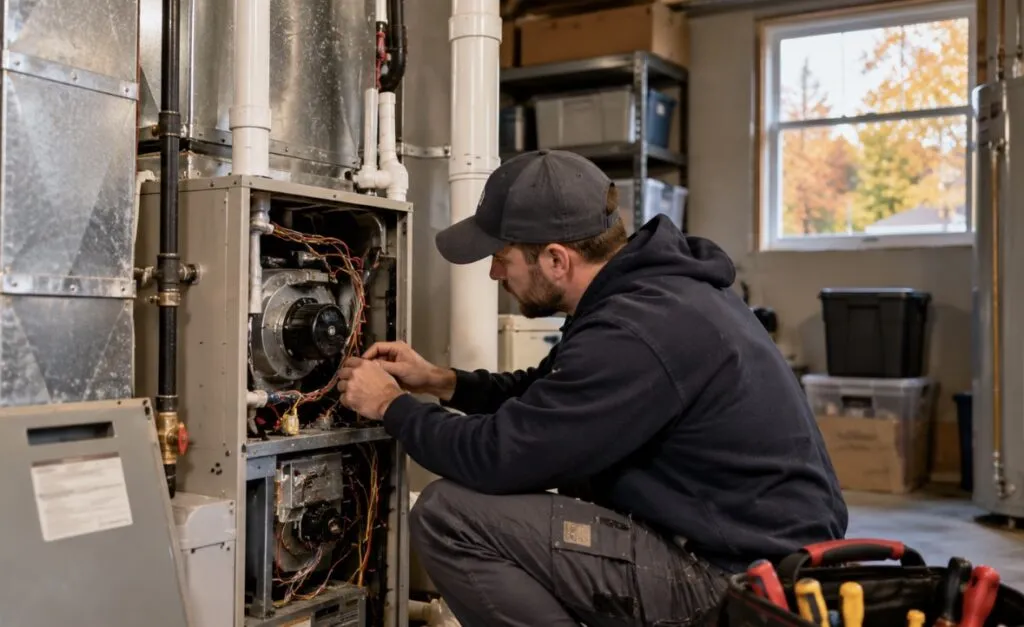
At Su’Coy HVAC, our trained technicians focus on identifying airflow problems, contamination buildup, and duct-related inefficiencies that impact indoor comfort and HVAC performance. Since 1907, we have helped homeowners improve airflow, maintain cleaner indoor air, and reduce unnecessary system strain across the DMV area.
With our best duct cleaning services and guidance on proper home air filter maintenance, homeowners can improve indoor air quality, restore balanced airflow, and support long-term HVAC system efficiency.