Skip to content


You may not notice humidity right away, but you can feel it. Air starts to feel heavier, rooms stay slightly damp, and your home never quite reaches that crisp, comfortable temperature. In Washington, DC, this shift happens quickly during spring as outdoor moisture levels rise and indoor air begins to trap that humidity.
The key difference is not just temperature, it is moisture control. If your AC system is not properly prepared, it will cool the air but fail to remove excess humidity. Understanding how to prepare your system early with proper air conditioning maintenance helps you stay comfortable, protect indoor air quality, and avoid performance issues before peak summer arrives.
Why Humidity Becomes a Problem in DC Homes During Spring
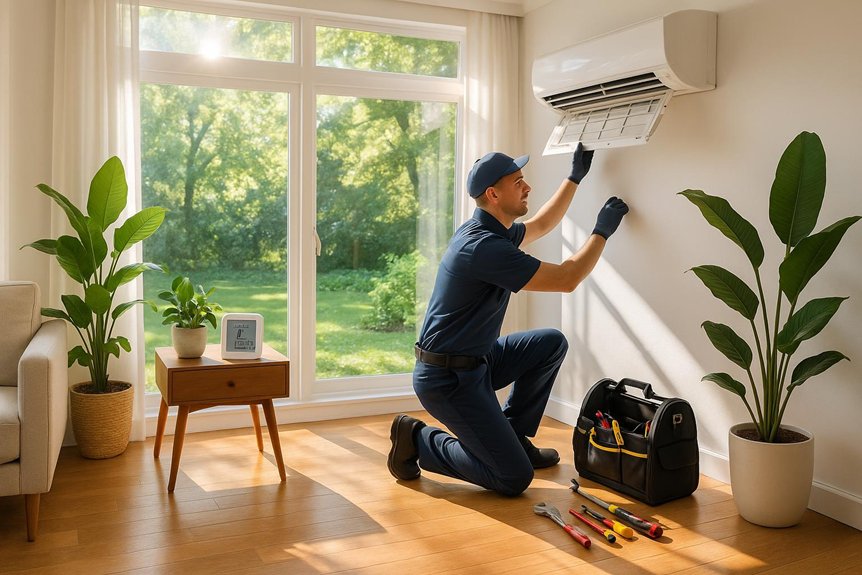
Spring in Washington, DC brings a combination of rising temperatures and increasing moisture levels. Unlike dry climates, the air already carries significant humidity, which easily enters your home through ventilation, doors, and daily activity.
Homes remain closed longer during spring, which traps moisture inside. Activities like cooking, showering, and even breathing add to indoor humidity levels. Without proper airflow and dehumidification, this moisture builds up and begins to affect comfort and air quality.
What makes DC homes more vulnerable:
- High outdoor humidity levels during the spring months
- Limited natural ventilation keeps moisture trapped indoors
- Increased indoor moisture from daily household activities
- AC systems are not yet tuned for humidity control
This is why early AC maintenance becomes essential to prepare your system for handling both cooling and moisture removal effectively.
How Your AC System Helps Control Indoor Humidity
Your AC system does more than just cool your home. It plays a critical role in removing moisture from the air through the evaporator coil and condensate system. As warm air passes over the coil, moisture is extracted and drained away.
However, this process depends heavily on system conditions. If coils are dirty, airflow is restricted, or the system is not calibrated properly, humidity removal becomes inefficient. This is why routine AC maintenance ensures your system can manage both temperature and humidity effectively.
In real scenarios, homeowners often assume their AC is working fine because it cools the air, but poor humidity control is usually a sign of underlying maintenance issues.
Signs Your Home Is Not Ready for Rising Humidity

Sticky Indoor Air and Poor Comfort
One of the earliest signs of humidity issues is how the air feels. Even when the thermostat shows the right temperature, the indoor environment feels heavy or uncomfortable. This usually means your AC system is cooling the air but not effectively removing moisture, often due to airflow or maintenance issues.
Musty Odors or Damp Conditions
A musty smell, especially when the AC turns on, is a strong indicator of excess moisture. This often points to damp conditions inside the system, ductwork, or nearby areas where moisture is not draining properly. Over time, this can lead to mold growth and negatively impact indoor air quality.
Condensation on Windows or Vents
Visible moisture on windows, vents, or even walls is a clear sign that humidity levels inside your home are too high. This happens when warm, humid air comes into contact with cooler surfaces. In many cases, it indicates your AC system is not removing moisture efficiently or airflow is restricted.
AC Running but Home Still Feels Humid
Another common issue is when your AC runs continuously, but the indoor environment still feels damp. This often points to problems like dirty coils, incorrect system sizing, or lack of proper AC maintenance, which prevents effective humidity control. Over time, this increases system strain and reduces overall comfort.
What Happens When Your AC System Isn’t Prepared for Humidity
When an AC system isn’t properly maintained before DC’s humid season, it doesn’t just cool less effectively; it loses its ability to manage moisture altogether. In real service calls across the DMV area, many homeowners assume their system is failing when the actual issue is reduced airflow, dirty coils, or poor drainage. These small inefficiencies limit how long and how well the system can remove humidity, which directly affects comfort, air quality, and energy performance.
Common Effects of Poor AC Maintenance in Humid Conditions
| Issue Observed | What’s Happening Inside the System | Impact on Your Home |
|---|---|---|
| AC runs longer but humidity remains high | Restricted airflow or dirty coils reduce moisture removal efficiency | Home feels sticky and uncomfortable despite continuous cooling |
| Uneven cooling across different rooms | Duct leaks or airflow imbalances limit proper air distribution | Some rooms feel cool while others remain warm and humid |
| Higher energy bills during mild weather | System works harder due to inefficiencies and longer cycles | Increased utility costs without improved comfort |
| Musty odors or damp indoor air | Moisture buildup inside ducts or system components | Poor indoor air quality and increased mold risk |
In many cases, these problems are not caused by major system failure but by overlooked maintenance tasks that affect how the system handles humidity. Working with a professional for air conditioning maintenance ensures that airflow, drainage, and cooling performance are properly optimized before humidity becomes a problem. This proactive approach helps maintain consistent comfort and prevents avoidable issues during the peak season.
Spring AC Maintenance Checklist to Prepare for Humid Weather

Preparing your AC system before humidity rises is essential for maintaining both comfort and indoor air quality. In Washington, DC, spring moisture builds quickly, and even small inefficiencies in your system can lead to noticeable discomfort. Each component of your AC plays a role in removing heat and excess moisture from the air. Following a structured AC maintenance routine helps your system perform efficiently and prevents humidity-related issues before they start.
Replace or Clean Air Filters
Air filters are one of the most important components for maintaining proper airflow and humidity control. When filters become clogged, airflow is restricted, making it harder for your system to pull in and condition air effectively. This not only reduces cooling efficiency but also limits moisture removal. Over time, this can lead to a damp indoor environment even when your AC is running.
What to check and do:
- Replace or clean filters every one to two months
- Check filters for visible dust buildup or discoloration
- Use the manufacturer-recommended filter type for your system
- Test airflow strength from vents after filter replacement
Keeping your filters clean allows air to move freely through the system, improving both cooling and dehumidification. It also reduces strain on your HVAC unit, helping it run more efficiently. Consistent filter maintenance is one of the simplest ways to prevent humidity issues. It plays a direct role in maintaining balanced indoor comfort.
Inspect and Clean Evaporator Coils
The evaporator coil is responsible for removing heat and moisture from the air as it passes through your system. When the coil surface is covered with dust or residue, it cannot absorb moisture effectively. This results in higher humidity levels inside your home, even if the air feels cool. Over time, dirty coils can also lead to longer run cycles and reduced system performance.
What to check and do:
- Inspect evaporator coils for dust buildup and residue accumulation
- Schedule professional coil cleaning during seasonal AC maintenance visits
- Watch for reduced cooling or extended system run times
- Check if the air feels cool but still remains humid
Clean coils allow your system to perform proper heat exchange, which is essential for moisture removal. When coils are maintained regularly, your AC can better regulate both temperature and humidity. This improves overall comfort and reduces unnecessary strain on the system. It also helps prevent long-term performance issues.
Clear and Test the Condensate Drain Line
As your AC system removes moisture from the air, that water is directed through the condensate drain line. If the line becomes clogged, moisture cannot exit properly and may remain inside the system. This can lead to increased humidity levels, water leaks, or even potential damage around the unit. Keeping the drain line clear is essential for proper moisture management.
What to check and do:
- Check for standing water near the indoor HVAC unit
- Test the condensate drain line for proper water flow
- Clear blockages caused by debris or algae buildup
- Schedule routine drain line checks during maintenance visits
A properly functioning drain line ensures that moisture is effectively removed from your home. It helps prevent excess humidity from circulating back into your indoor air. Regular checks reduce the risk of water-related damage and system inefficiency. This step is critical for maintaining a healthy indoor environment.
Check Thermostat Settings and Calibration
Your thermostat controls how your AC system operates, including how long it runs during each cycle. If the system shuts off too quickly, it may not run long enough to remove sufficient moisture from the air. Incorrect calibration can also lead to inconsistent temperatures and humidity levels. Proper thermostat settings help maintain balanced cooling and effective dehumidification.
What to check and do:
- Verify thermostat accuracy and proper temperature calibration settings
- Avoid frequent manual adjustments that disrupt cooling cycles
- Use settings that allow longer and consistent cooling cycles
- Consider upgrading to a programmable or smart thermostat
When your thermostat is properly calibrated, your system can run efficiently and maintain consistent indoor conditions. Longer, steady cooling cycles allow more moisture to be removed from the air. This improves comfort and reduces the feeling of stickiness indoors. It also helps optimize overall system performance.
Inspect Ductwork for Airflow Issues
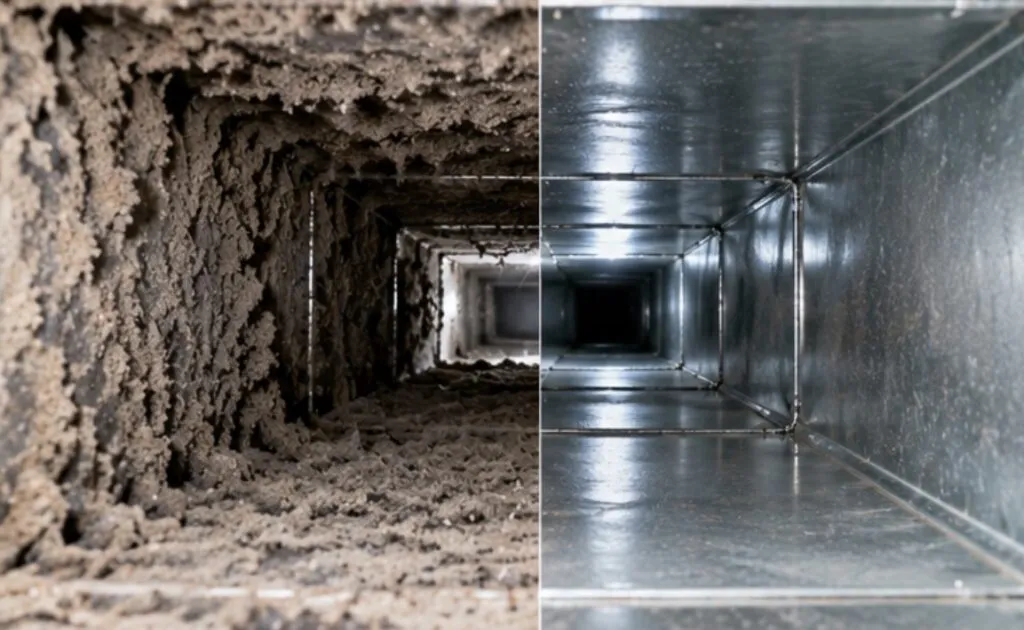
Ductwork plays a major role in distributing conditioned air throughout your home. If there are leaks, blockages, or buildup inside the ducts, airflow becomes uneven. This can result in certain rooms feeling cool but still humid, indicating poor moisture removal. Over time, these issues can reduce system efficiency and overall comfort.
What to check and do:
- Inspect visible duct sections for leaks or loose connections
- Check for weak airflow in specific rooms or vents
- Look for dust buildup around vents and registers
- Include duct inspection as part of regular AC maintenance
Well-maintained ductwork ensures consistent airflow across your home, which is essential for both cooling and humidity control. Sealing leaks and removing blockages helps your system deliver air evenly. This improves comfort in every room and reduces unnecessary energy use. It also supports long-term HVAC efficiency.
How Early Maintenance Improves Comfort and Air Quality
Preparing your air conditioner system early allows it to operate efficiently when humidity levels increase. A well-maintained AC system removes moisture effectively, maintains consistent airflow, and keeps indoor air fresh.
| Without Maintenance | With Proper Maintenance |
|---|---|
| Sticky, humid air | Balanced indoor humidity |
| Longer cooling cycles | Faster temperature control |
| Uneven comfort | Consistent airflow |
| Higher energy usage | Improved efficiency |
In many homes, the difference becomes noticeable within days when maintenance is handled correctly. Choosing a qualified professional for your air conditioner maintenance ensures every component is properly inspected, cleaned, and optimized. This not only improves comfort but also helps control humidity levels and maintain healthier indoor air quality throughout your home.
Why Choose Su’Coy HVAC for Spring AC Maintenance in the DMV

Preparing your AC system for humidity requires more than basic checks. It requires understanding how moisture, airflow, and system performance work together in DC’s climate.
At Su’coy HVAC, the focus is on identifying where your system may struggle with humidity and ensuring it is fully prepared for seasonal changes. From detailed inspections to professional AC maintenance, every service is designed to improve comfort, efficiency, and indoor air quality.
If your home already feels humid or your system hasn’t been serviced recently, scheduling timely air conditioning maintenance can help you stay ahead of discomfort, prevent performance issues, and ensure your home remains cool and balanced throughout the season.