Skip to content

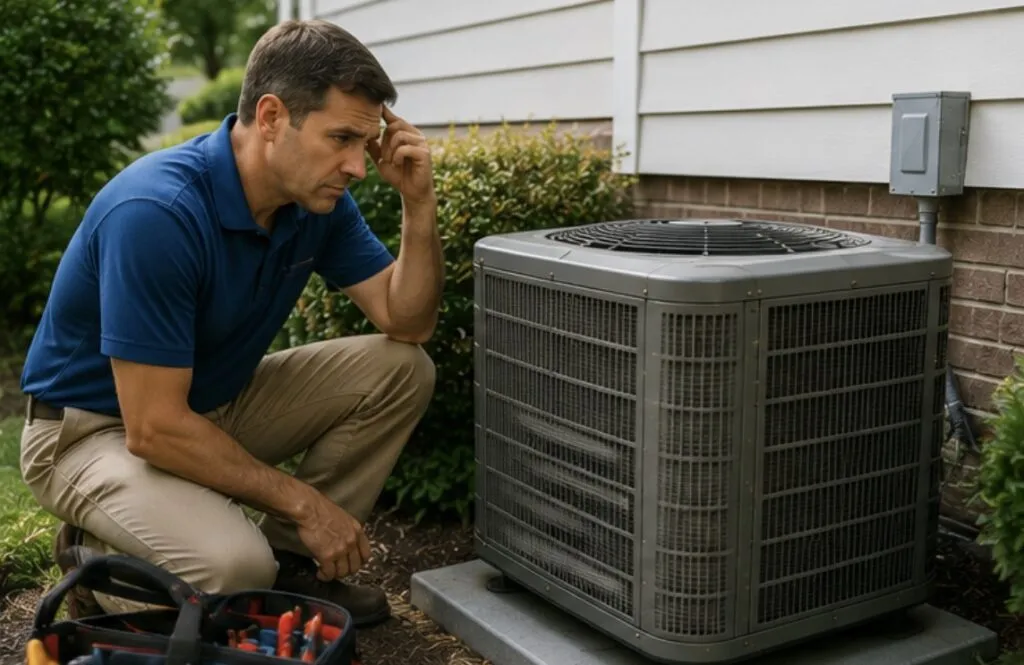
In Washington, DC, summer conditions can push HVAC systems to their limits, with daytime temperatures often reaching 90–100°F and humidity levels exceeding 60–70%. Under these conditions, most AC systems run for 8–12+ hours per day, especially in older homes or systems that have not been serviced recently. Even minor inefficiencies can reduce cooling performance by 15–25%, making your home feel warmer than expected.
Preparing your HVAC system before peak summer helps reduce the risk of breakdowns, high energy bills, and uneven cooling during Washington, DC’s hottest months. In this guide, you’ll learn the key signs your system may not be ready for summer and what homeowners should check before temperatures rise.
Why Summer Preparation Matters for HVAC Systems in Washington, DC

In Washington, DC, HVAC systems must handle both heat and humidity simultaneously, which increases the system load compared to dry climates. When humidity is not removed effectively, indoor air can feel 5–8°F warmer than the actual thermostat setting. This often leads homeowners to lower the thermostat further, increasing runtime and energy consumption.
Another important factor is system efficiency under load. During peak summer, even a partially clogged filter or dirty coil can reduce airflow by 20–30%, forcing the system to run longer cycles. Over time, this added strain affects key components such as compressors and blower motors. Preparing your system early helps maintain proper airflow, balanced cooling, and consistent indoor comfort during high-demand periods.
How DC’s Heat and Humidity Impact Your HVAC Performance
The climate in Washington, DC creates a dual challenge for HVAC systems because they must cool the air and remove moisture at the same time. This increases the workload on evaporator coils, blower systems, and condensate drainage. If any of these components are not functioning efficiently, overall system performance drops quickly.
In practical terms, systems operating in high humidity conditions often experience longer run cycles and reduced cooling output. Homeowners may notice that the system is running continuously but still struggling to maintain consistent indoor temperatures. This is a clear sign that the system is not operating at full efficiency under DC’s environmental conditions.
High Humidity Challenges
Humidity directly affects comfort levels inside your home. Even if your AC is producing cool air, high moisture levels can make the indoor environment feel sticky and uncomfortable. This typically occurs when the system is not removing moisture efficiently due to airflow restrictions or coil performance issues.
In many DC homes, improper dehumidification can also lead to indoor air quality concerns and a heavier indoor feel. Maintaining proper airflow and system balance ensures that your HVAC unit can handle both cooling and moisture removal effectively.
Long Cooling Cycles and System Strain
During peak summer, HVAC systems in DC often run for extended periods, sometimes 10–12 hours daily during heatwaves. If the system is not properly maintained, these longer cycles increase wear on critical components. Over time, this can reduce system lifespan and increase the likelihood of breakdowns.
Longer runtime also leads to higher energy consumption, often increasing monthly bills by 10–20% without any change in usage habits. Preparing your system before summer helps maintain efficient operation and reduces unnecessary strain during high-demand conditions.
Key Signs Your HVAC System Is Not Ready for Summer

HVAC systems rarely fail without warning. In most cases, they show early performance changes that indicate underlying issues. Recognizing these signs before peak summer allows homeowners to take action and avoid emergency repairs when the system is under full load.
Uneven Cooling Across Rooms
If certain rooms feel significantly warmer than others, it usually indicates airflow imbalance or duct-related issues. In many homes, airflow differences of 15–25% between rooms can result in noticeable comfort issues. This is often linked to duct leakage, blocked vents, or system inefficiencies.
Rising Energy Bills Before Peak Season
An increase in energy bills during spring or early summer is a strong indicator that your system is losing efficiency. Even a small drop in performance can cause the system to run longer, increasing energy consumption by 10–15%. This is often one of the earliest signs that maintenance is needed.
Weak Airflow or Longer Cooling Cycles
Weak airflow from vents or cooling cycles that take longer than usual indicate that the system is struggling to distribute air effectively. This can result from clogged filters, dirty coils, or internal airflow restrictions. If ignored, these issues often worsen during peak summer usage.
What to Check Before Temperatures Rise
Preparing your HVAC system involves checking key components that directly impact performance and efficiency. Addressing these areas early helps ensure your system can handle increased demand without overworking or failing during peak summer.
Air Filters and Airflow Condition
Air filters should typically be checked every 30–60 days, especially before summer begins. A clogged filter can reduce airflow by up to 30%, forcing the system to work harder to circulate air. Replacing or cleaning filters ensures proper airflow and supports efficient cooling.
Thermostat Settings and Calibration
Your thermostat controls system operation, and even a small calibration error of 2–3°F can affect comfort and efficiency. Incorrect settings may cause short cycling or longer runtime, both of which impact system performance. Ensuring accurate calibration helps maintain consistent indoor temperatures.
Outdoor Unit and Coil Condition
The outdoor condenser unit must remain clean and unobstructed to release heat effectively. Dirt, debris, or restricted airflow can reduce cooling efficiency by 10–20%. Keeping the unit clear and maintaining coil cleanliness ensures optimal heat transfer.
Refrigerant Levels and Cooling Performance
Refrigerant levels must remain within proper range for effective cooling. Even a 10% refrigerant loss can reduce system efficiency and increase runtime. Low refrigerant levels often lead to longer cooling cycles and reduced cooling capacity, especially during high-demand periods.
The Role of Preventive Maintenance in Avoiding Breakdowns
Preventive maintenance is one of the most effective ways to keep your HVAC system stable during Washington, DC’s peak summer conditions. When systems transition from light spring use to continuous summer operation, hidden issues such as airflow restrictions, coil buildup, or refrigerant imbalance often become more noticeable. In real service data, a large percentage of summer breakdowns are linked to problems that were already developing before peak season.
Regular AC maintenance helps identify these performance gaps early and correct them before they affect system reliability. A well-maintained system can operate up to 15–20% more efficiently, reducing both energy usage and component stress. This not only improves cooling performance but also extends the lifespan of key components such as compressors and blower motors.
What a Professional HVAC Inspection Includes

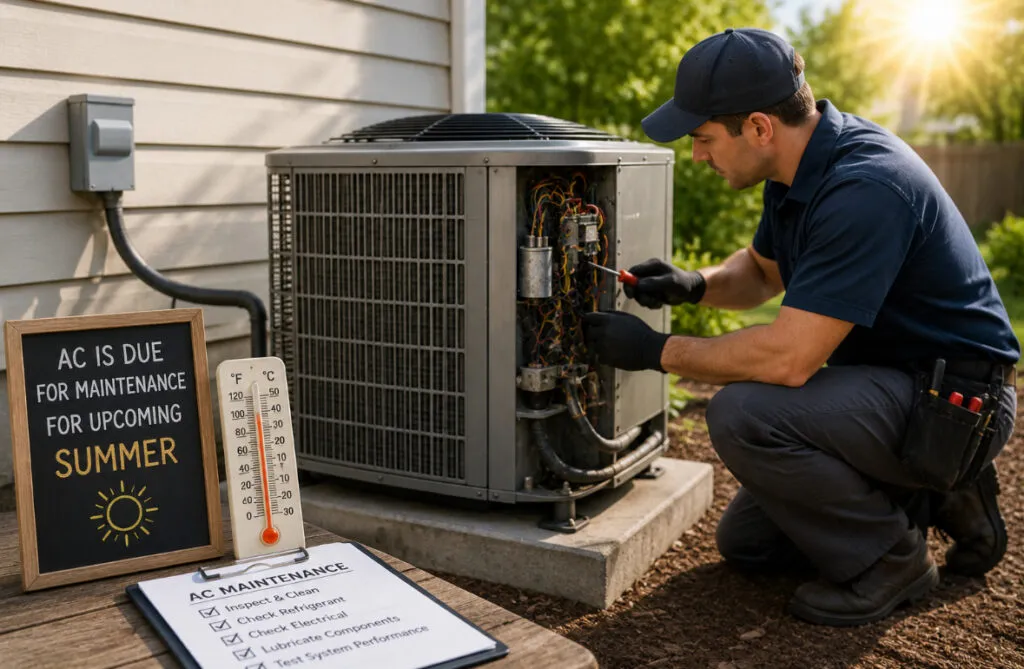
A professional AC inspection goes beyond a basic check and focuses on how the system performs under real operating conditions. Technicians evaluate airflow, cooling efficiency, and component performance to ensure everything is functioning within proper range.
A standard inspection typically includes:
- Checking and replacing air filters if needed
- Inspecting evaporator and condenser coils for buildup
- Measuring refrigerant levels and system pressure
- Testing thermostat accuracy and system cycling
- Evaluating airflow and duct performance
These checks ensure that the HVAC system is balanced and ready to handle extended runtime during peak summer.
Why Early Maintenance Saves Cost and Stress
Scheduling air conditioning maintenance before summer helps avoid emergency repairs when demand for HVAC services is highest. In Washington, DC, repair costs can increase during peak season due to higher service demand and limited availability. Addressing issues early often costs significantly less than dealing with a breakdown during a heatwave.
From a practical standpoint, early maintenance also reduces stress for homeowners. Instead of dealing with unexpected failures during extreme heat, you can rely on a system that has already been inspected and optimized for performance.
When to Schedule HVAC Service Before Peak Summer
Timing plays a critical role in HVAC performance and reliability. Scheduling service too late can result in limited availability, longer wait times, and higher repair costs. In Washington, DC, the ideal time for HVAC maintenance is during early spring when system demand is still low.
This allows technicians to identify and fix issues before the system begins running for extended periods. It also ensures your system is fully prepared before temperatures consistently rise above 85–90°F, which is when HVAC usage increases significantly.
Ideal Timing for DC Homeowners
For most homeowners in Washington, DC, the best time to schedule air conditioning maintenance service is between March and early May. During this period, HVAC companies have more availability, and systems are not yet under heavy load.
| Timing | What Happens |
|---|---|
| Early Spring (March–April) | Best time for maintenance and system optimization |
| Late Spring (May) | Moderate demand, still possible to schedule service |
| Peak Summer (June–August) | High demand, longer wait times, higher repair costs |
Scheduling AC maintenance early also gives homeowners enough time to choose the right air conditioning contractor instead of rushing during peak summer demand. Working with experienced professionals who perform thorough inspections and preventive maintenance helps ensure your system is properly prepared before Washington, DC’s hottest temperatures arrive.
Why Choose Su’Coy HVAC for Summer HVAC Preparation in Washington, DC
Preparing your HVAC system before summer requires more than a quick inspection. In Washington, DC, high humidity and long cooling cycles place constant strain on AC systems, making professional maintenance essential before peak temperatures arrive.
At Su’Coy HVAC, our trained technicians focus on identifying airflow issues, cooling inefficiencies, and performance problems before they turn into costly breakdowns. Since 1907, we have helped homeowners keep their HVAC systems operating efficiently through Washington, DC’s demanding summer conditions.
With our professional air conditioning maintenance service, homeowners can improve cooling performance, reduce breakdown risks, and maintain reliable indoor comfort throughout the summer season.