Skip to content


If you’ve started noticing a musty odor when your HVAC system runs or your indoor air feels unusually heavy, it could be a sign of hidden mold inside your system. In Washington, DC’s humid climate, moisture can build up inside ducts and components without obvious warning. Over time, this not only affects air quality but also impacts how efficiently your system performs. Understanding the early signs and how professional mold removal works can help you protect both your comfort and your home’s indoor environment.
What Causes Mold Growth Inside HVAC Systems in Washington, DC
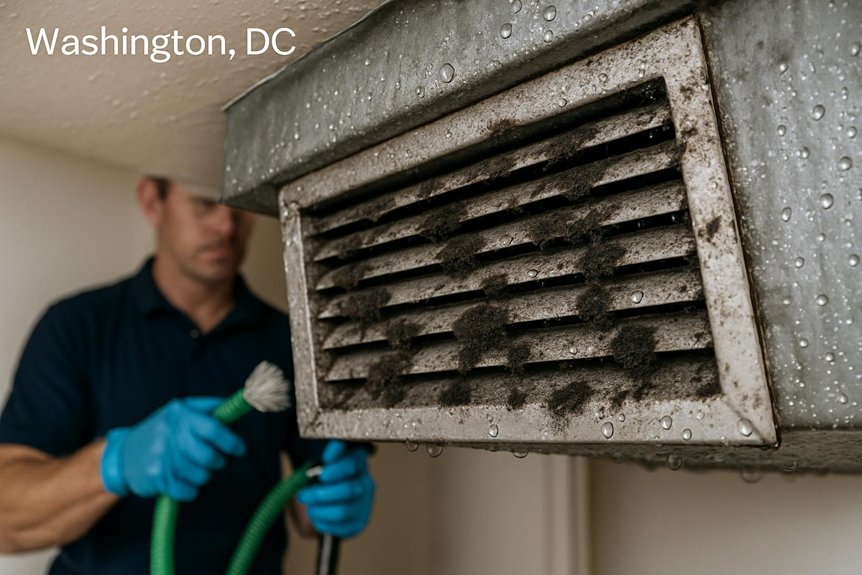
For many Washington, DC homeowners, mold inside the HVAC system isn’t obvious at first. It usually shows up through subtle changes—like unusual odors or worsening allergies—before becoming a noticeable problem that affects daily comfort and indoor air quality.
Mold growth inside HVAC systems is often the result of excess moisture combined with limited airflow. In Washington, DC, humid summers, frequent rainfall, and tightly sealed homes create conditions where condensation builds up inside ductwork and system components. Areas like evaporator coils, drain pans, and basement-installed units are especially prone to retaining moisture over time.
Common causes of HVAC mold growth include:
- High Humidity Levels – DC’s climate creates constant moisture buildup inside HVAC components.
- Condensation Formation – Cooling systems produce moisture that accumulates in coils and ducts.
- Poor Ventilation – Limited airflow allows damp air to remain trapped inside system areas.
- Clogged Drain Lines – Blockages prevent proper drainage, leading to standing water buildup.
- Dirty Components – Dust and debris provide surface for mold to grow and spread.
These conditions often develop gradually, making mold difficult to detect in early stages. As moisture continues to build, mold colonies begin forming in hidden areas, which leads to noticeable signs throughout your home.
What Are the Most Common Signs of Mold in HVAC Systems
For many Washington, DC homeowners, mold inside the HVAC system isn’t obvious right away. It often starts with subtle changes—like unusual odors or worsening allergies—before becoming a more noticeable issue that affects daily comfort and indoor air quality. Recognizing these early warning signs can help prevent the problem from spreading further.
Key warning signs to watch for include:
- Musty Odors – A persistent damp or earthy smell when the HVAC system runs often signals hidden mold inside ducts.
- Worsening Allergies – Increased sneezing, coughing, or irritation indoors may indicate mold spores circulating through your ventilation system.
- Visible Mold Spots – Dark patches around vents, registers, or HVAC components suggest mold growth that may extend deeper into the system.
- Reduced Airflow – Mold buildup inside ducts can restrict airflow, causing weak air output and uneven cooling throughout the home.
- Excess Moisture Presence – Condensation or dampness around ducts and equipment creates ideal conditions for mold growth and spread.
These signs often appear gradually, making them easy to overlook at first. Addressing them early can help prevent more serious air quality issues and reduce the risk of mold spreading throughout your HVAC system.
How Mold in HVAC Systems Affects Indoor Air Quality

When mold develops inside your HVAC system, it doesn’t stay contained—it spreads through the air circulating in your home. Each time your system runs, spores can travel through ducts and vents, affecting every room. This can significantly reduce indoor air quality and create discomfort for occupants.
Common air quality impacts include:
- Allergen Circulation – Mold spores spread through air, triggering allergies and irritation.
- Persistent Odors – Musty smells continue circulating throughout indoor living spaces.
- Respiratory Issues – Exposure can worsen asthma symptoms and breathing difficulties.
- Heavy Indoor Air – Air feels stale, humid, and uncomfortable over time.
- Health Discomfort – Headaches, fatigue, and irritation increase with prolonged exposure.
As these issues continue, indoor comfort declines and health risks increase. Understanding how mold spreads through your system makes it easier to recognize why early detection and removal are essential.
Where Mold Typically Develops Inside Residential HVAC Systems
Mold tends to grow in areas where moisture and limited airflow combine, especially inside hidden HVAC components. In Washington, DC homes, basement units and older duct systems are particularly vulnerable due to humidity and restricted ventilation.
| Location | Why It’s Vulnerable | Common Signs |
|---|---|---|
| Evaporator Coils | Condensation buildup attracts dust and moisture | Musty odor, reduced cooling efficiency |
| Drain Pans | Standing water creates ideal mold environment | Visible growth, water overflow issues |
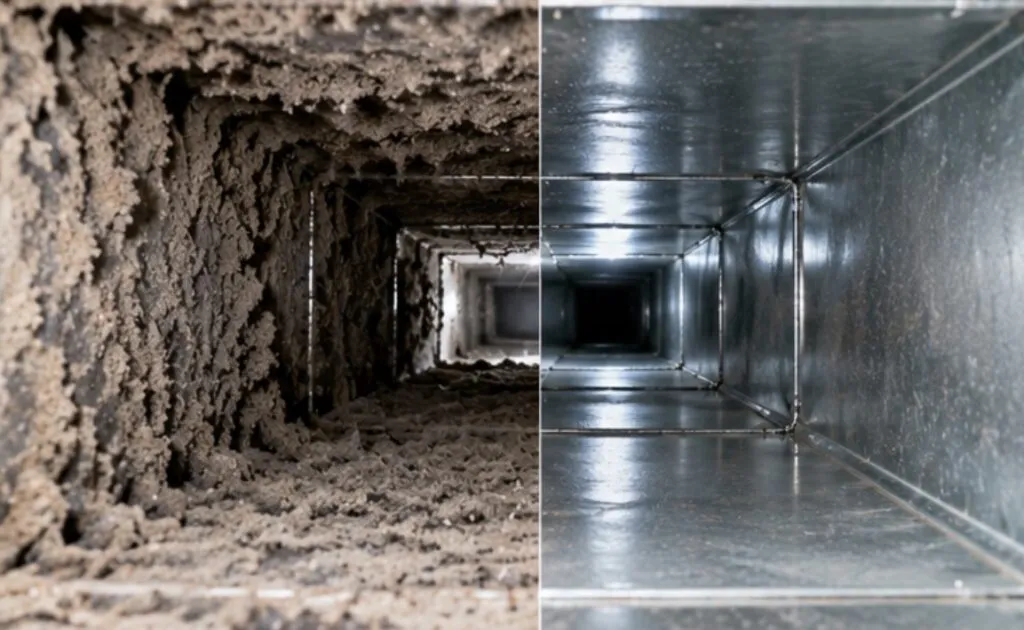
| Ductwork | Dark, enclosed spaces trap moisture and debris | Odors, airflow restriction, dust buildup |
| Air Handlers | Multiple damp components increase mold risk | Mold smell, visible contamination |
| Supply Vents | Air carries spores to visible surfaces | Dark spots around vent covers |
Knowing these locations helps you identify potential problem areas early. Since mold often develops out of sight, professional inspection becomes the next critical step in confirming its presence.
How HVAC Professionals Inspect Systems for Hidden Mold Growth

Detecting mold inside an HVAC system requires more than a surface-level check. In Washington, DC homes, where humidity and condensation are common, professionals follow a detailed inspection process to locate hidden mold growth and identify moisture sources. This ensures the issue is addressed at its root rather than temporarily managed.
Professional mold inspection methods include:
- Visual System Inspection – Checking vents, coils, and internal components for visible mold growth signs.
- Moisture Detection – Measuring humidity levels and identifying condensation or hidden leak sources.
- Infrared Camera Scanning – Detecting temperature differences that reveal moisture buildup behind surfaces.
- Borescope Camera Inspection – Inspecting inside ductwork and tight spaces without system disassembly.
- Odor Evaluation – Identifying musty smells that indicate hidden mold growth within HVAC systems.
- Air Quality Testing – Detecting airborne mold spores using specialized sampling and testing equipment.
Advanced diagnostic tools like infrared imaging and borescope cameras allow technicians to locate mold in areas that are otherwise inaccessible. Pairing these methods with professional mold testing helps confirm contamination levels and determine the most effective treatment approach.
This step is essential because mold often develops in hidden sections of the system. Once accurately identified, the focus shifts toward safe and effective removal to restore healthy indoor air quality and system performance.
How Mold Is Safely Removed From HVAC Systems in DC Homes
Mold removal from HVAC systems requires a controlled and thorough approach to prevent spores from spreading during the process. Professional remediation focuses on cleaning contaminated areas while also addressing the moisture source that caused the issue.
The typical mold removal process includes:
- System Isolation – Containing affected areas to prevent mold spores from spreading indoors.
- HEPA Vacuuming – Removing loose contaminants using high-efficiency filtration equipment safely.
- Targeted Cleaning – Applying antimicrobial treatments to eliminate mold from system components.
- Moisture Source Repair – Fixing leaks or drainage issues to prevent mold recurrence.
- Airflow Restoration – Ensuring proper airflow after cleaning to maintain system efficiency.
Proper removal not only eliminates existing mold but also helps prevent future growth. Once the system is restored, ongoing maintenance becomes important to keep it clean and safe.
How to Prevent Mold Growth in Your HVAC System Long Term
Preventing mold from returning requires consistent attention to moisture control and system maintenance. In Washington, DC’s humid environment, small issues can quickly lead to recurring mold problems if not addressed early.
Effective prevention steps include:
- Regular Filter Changes – Clean filters prevent dust buildup that supports mold growth.
- Annual HVAC Inspections – Professional checks detect moisture issues before mold develops.
- Humidity Control – Maintain indoor humidity levels below 50% to limit mold conditions.
- Clear Airflow Paths – Keep vents unobstructed to prevent stagnant, moisture-prone air pockets.
- Immediate Leak Repairs – Fix drainage or condensation issues before mold can form.
Taking these steps consistently helps maintain a cleaner HVAC system and a healthier indoor environment. Preventive care is often the most effective way to avoid recurring mold issues in the future.
Why Choose Su’Coy Heating, AC & Duct Cleaning in Washington, DC

When dealing with HVAC mold concerns, working with a mold remediation company that understands Washington, DC’s climate conditions is essential. At Su’Coy Heating, AC & Duct Cleaning, local expertise helps identify moisture-related issues accurately and ensures the right solutions are applied based on your home’s specific needs.
Choosing Su’Coy Heating, AC & Duct Cleaning for mold testing and mold remediation services helps restore indoor air quality, improve system performance, and prevent recurring mold problems. A professional approach ensures your HVAC system remains clean, efficient, and safe throughout the year.