Skip to content

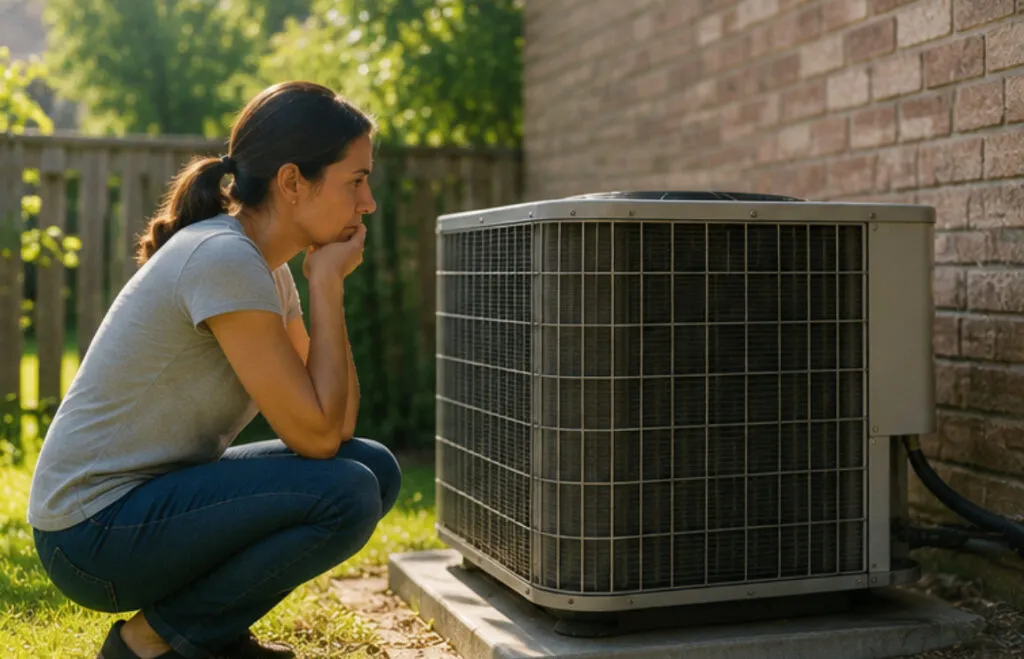
Summer heatwaves in Washington, DC can put tremendous strain on air conditioning systems. When temperatures and humidity remain high for days at a time, even a minor issue can quickly turn into a complete cooling failure. Unfortunately, AC breakdowns often happen when homeowners need their systems the most, leaving indoor temperatures rising and comfort disappearing fast.
If your air conditioner suddenly stops working during a DMV heatwave, knowing how to respond can help prevent additional damage and speed up the repair process. While some issues require immediate professional attention, others may be caused by simple problems that homeowners can safely check themselves. In this guide, we’ll cover the steps to take when your AC breaks down, common mistakes to avoid, and when it’s time to call for emergency AC repair in Washington, DC.
Why AC Breakdowns Spike During DMV Heatwaves

Air conditioning systems face their greatest demand during extended periods of extreme heat. As temperatures climb into the 90s and humidity levels rise across Washington, DC, Maryland, and Northern Virginia, HVAC equipment must run longer cooling cycles to maintain indoor comfort. This added workload places significant stress on critical components such as capacitors, blower motors, contactors, and compressors.
Many air conditioning systems operate with minor issues that go unnoticed during milder weather. However, prolonged operation during a heatwave often exposes those weaknesses, leading to breakdowns when homeowners depend on their cooling systems the most.
Several factors contribute to the increase in AC failures during DMV heatwaves:
- Systems run for extended periods with fewer opportunities to cycle off and cool down.
- High humidity forces the AC to remove moisture as well as heat, increasing overall workload.
- Worn electrical components are more likely to fail under sustained demand.
- Older rowhomes and townhomes often struggle to keep upper floors comfortable during extreme heat.
- Restricted airflow from aging ductwork, blocked returns, or dirty filters increases system strain.
- Dirty evaporator or condenser coils reduce efficiency and make equipment work harder.
Understanding these common causes can help homeowners recognize potential problems before they become major repairs. Before scheduling emergency service, it is worth checking a few basic items that can sometimes restore cooling and are safe to inspect without specialized tools.
First Moves: Safe Checks You Can Do Yourself
Before assuming the worst, run through a short list of safe checks. A surprising number of heatwave no-cool calls come down to a tripped breaker, a dead thermostat battery, or a filter so clogged the system chokes itself out. None of these require tools or opening sealed equipment, and any one of them might get your air moving again in minutes.
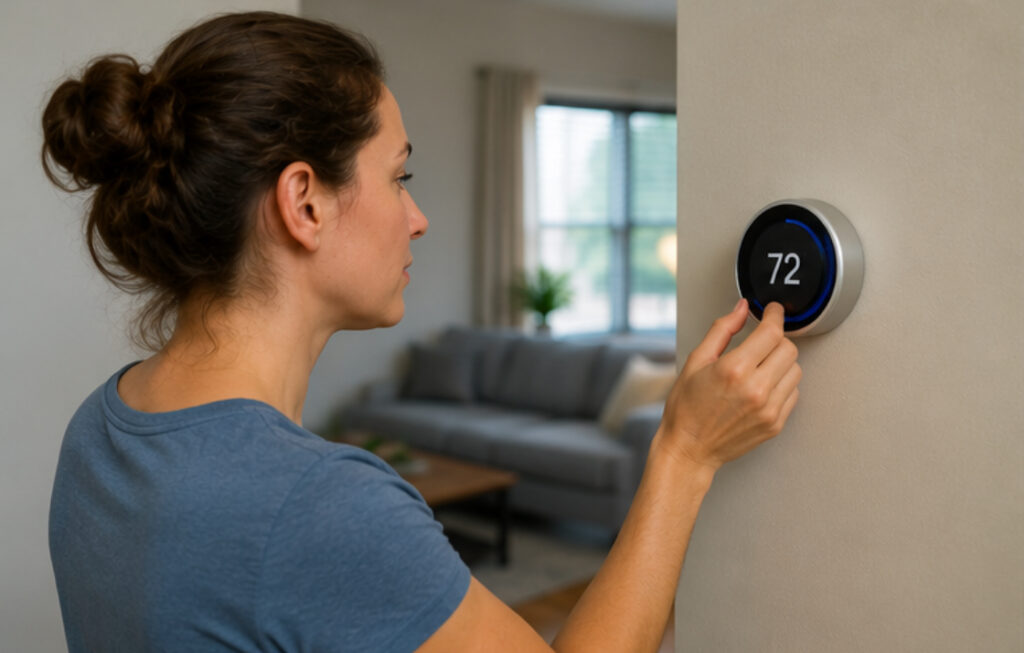
Check the Thermostat
Confirm the thermostat is set to cool and a few degrees below room temperature. Swap in fresh batteries if the screen is dim or blank, since weak batteries cause odd behavior. A dark display in the middle of a heatwave is a common, easy fix worth ruling out first.
Restore the Power
Look for a tripped AC breaker in your panel and reset it one time only. Check that the indoor unit switch, often near the furnace or in a hallway closet, is on. Confirm the outdoor disconnect has not been flipped off during recent yard work.
Swap the Air Filter
Slide out the filter at the return grille or indoor unit and hold it to the light. If little light passes through, airflow is choked, which can make the system run nonstop without cooling. Replace it with the same size, arrow pointing toward the unit.
Look for Ice or Water
Shine a light on the refrigerant lines and indoor coil. Frost or ice means the system is already struggling, so shut it off and let it thaw. Puddles or a ceiling stain near the air handler point to a clogged drain that needs attention.
If one of these checks brings your cooling back, wonderful. If the system is iced over, smells odd, or still blows warm after the basics, stop there. Pushing it harder in a heatwave usually turns a small repair into a big one, and a few specific moves will only make the damage worse.
What Not to Do During an Air Conditioner Emergency

When an air conditioner stops working during a heatwave, it can be tempting to keep troubleshooting until something works. However, certain actions can cause additional damage to the system, create safety risks, or make the eventual repair more expensive. Knowing what to avoid can help protect both your HVAC equipment and your household while you wait for professional assistance.
- Do Not Keep Restarting the System: Repeatedly running an AC that is blowing warm air or short cycling can place additional stress on critical components.
- Avoid Opening Electrical Panels: HVAC systems contain high-voltage components that should only be handled by trained technicians.
- Do Not Use DIY Refrigerant Kits: Incorrect refrigerant handling can damage the system, reduce efficiency, and potentially void warranties.
- Take Burning Odors Seriously: If you notice a burning or electrical smell, shut the system down immediately and contact a professional.
- Do Not Bypass Safety Switches: Float switches and other safety devices are designed to prevent water damage and equipment failure.
- Keep Airflow Unobstructed: Make sure supply and return vents remain clear of furniture, boxes, and other obstructions.
Avoiding these common mistakes can help prevent a minor issue from becoming a more costly repair. While waiting for service, there are also several steps you can take to reduce indoor heat and keep your household more comfortable.
How to Stay Safe and Cool While You Wait
If professional HVAC service is needed, taking steps to reduce indoor heat can help maintain comfort until repairs are completed. These temporary measures can slow heat buildup and help protect household members during periods of extreme summer weather.
- Close blinds, curtains, and shades on sun-facing windows to reduce solar heat gain.
- Use ceiling fans and portable fans to improve air circulation.
- Spend time on lower levels of the home, where temperatures are often cooler.
- Stay hydrated and avoid using appliances that generate excess heat, such as ovens and dryers.
- Monitor children, older adults, and pets for signs of heat-related discomfort.
- If indoor temperatures become unsafe, consider relocating temporarily to an air-conditioned public space or another cool location.
These steps can help improve comfort in the short term, but they are not a substitute for repairing the underlying problem. If cooling is not restored after basic troubleshooting, professional diagnosis is the safest way to identify the issue and prevent additional damage to your HVAC system.
When Should You Call for Emergency AC Repair?

After checking the thermostat, breaker, and air filter, there comes a point where continuing to troubleshoot does more harm than good. During a DMV heatwave, a struggling air conditioner can quickly turn a comfortable home into an uncomfortable and potentially unsafe environment, especially for families with young children, older adults, or pets.
If your system is showing any of the following symptoms, it is usually best to stop running it and call for professional help:
| Warning Sign | Why It Shouldn’t Wait |
|---|---|
| Warm air from the vents | May indicate refrigerant, compressor, or airflow problems |
| Breaker trips repeatedly | Could signal an electrical fault or failing component |
| Burning or electrical odors | Potential safety hazard that requires immediate attention |
| Ice on refrigerant lines | Often points to airflow or refrigerant issues |
| Water around the indoor unit | Can lead to water damage and mold growth |
| Grinding, screeching, or banging noises | May indicate failing mechanical parts |
| Indoor temperatures keep rising | The system is no longer keeping up with cooling demand |
A good rule of thumb is simple: if the house is getting hotter, the system is making unusual noises, or basic troubleshooting has not restored cooling, it is time to bring in a qualified HVAC technician. Prompt repairs can often prevent a minor issue from becoming a major breakdown and help restore comfort before the heat indoors becomes difficult to manage.
Why Choose Su’Coy HVAC for Emergency AC Repair in Washington, DC

When your AC stops working during a DMV heatwave, fast and accurate repairs matter. Delaying service can lead to higher indoor temperatures, added system damage, and greater repair costs.
For nearly 30 years, Su’Coy HVAC has helped homeowners throughout Washington, DC, Maryland, and Northern Virginia restore comfort quickly and safely. Our licensed technicians diagnose the root cause of the problem and provide dependable solutions, not temporary fixes.
If your system won’t cool, is making unusual noises, or has stopped working altogether, our emergency AC repair services in Washington, DC are available to help get your home comfortable again as quickly as possible.