Skip to content


If your AC is running longer, your energy bills are climbing, and some rooms still feel warmer than others, it’s natural to wonder if dirty ductwork is part of the problem. In DMV homes—where humidity, older layouts, and long cooling seasons all play a role—airflow issues can build up quietly over time. While duct cleaning can improve performance in certain situations, it’s not always the full solution. Understanding when it actually makes a difference—and when it doesn’t—can help you make a smarter decision for your home’s comfort and efficiency.
How AC Efficiency Works in DMV Homes During Summer

During peak summer in the DMV, your AC system operates under constant pressure from high humidity, sudden storms, and prolonged heat waves. Homes across Washington, DC, Northern Virginia, and Maryland—especially older rowhouses, tightly sealed townhouses, and basement HVAC setups—often struggle with airflow and moisture control. Your system’s efficiency depends on how well it can circulate air, remove humidity, and maintain consistent cooling throughout the day.
Key factors affecting AC efficiency include:
- Extended Cooling Seasons – Long, humid DMV summers force AC systems to run continuously, increasing wear, energy use, and overall system strain.
- High Humidity Levels – Excess moisture makes cooling harder, requiring systems to remove humidity while maintaining a consistent indoor temperature.
- Urban Dust and Pollen – Outdoor pollutants and seasonal allergens quickly accumulate, clogging filters and reducing airflow efficiency over time.
- Older Home Layouts – Long duct runs and outdated designs limit airflow delivery, causing uneven cooling across multiple rooms.
These local conditions often lead to performance issues that go unnoticed at first. Scheduling routine HVAC maintenance helps identify airflow restrictions, humidity problems, and system inefficiencies before they impact your comfort during peak summer demand.
How Dirty Air Ducts Impact Airflow and Cooling Performance
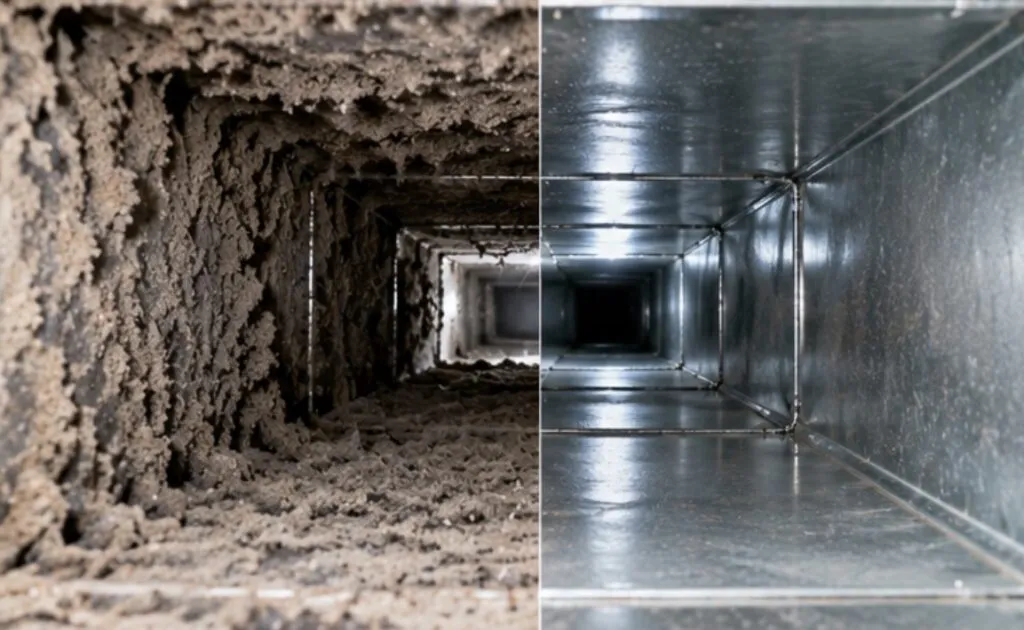
In DMV homes, where summer humidity and urban pollutants are constant, air ducts can accumulate dust and debris faster than expected. Over time, this buildup restricts airflow, forcing your AC system to run longer cycles to maintain comfort—especially in older DC homes and multi-level townhouses.
| Duct Issue | Impact on AC Performance |
|---|---|
| Blocked airflow | Weak air output and uneven cooling across different rooms |
| Dust accumulation | Reduced cooling efficiency and longer system runtime |
| Moisture buildup | Mold growth and musty odors circulating through vents |
| Debris in ducts | Increased strain on HVAC components and reduced performance |
| Air leakage points | Loss of cooled air before reaching living spaces |
As these issues build up, your system becomes less efficient and more expensive to operate. Scheduling professional duct cleaning along with HVAC maintenance helps restore airflow, improve cooling performance, and reduce unnecessary system strain.
When Air Duct Cleaning Actually Improves AC Efficiency

Duct cleaning can significantly improve AC efficiency when airflow is clearly restricted by buildup inside your system. In DMV homes—especially those exposed to heavy pollen seasons, urban dust, and pet dander—ductwork can collect years of debris that directly impacts cooling performance.
Duct cleaning is most effective when:
- Visible Dust from Vents – Dust blowing from vents indicates heavy buildup inside ducts, restricting airflow and reducing cooling performance.
- Uneven Cooling – Some rooms stay warmer due to airflow blockages within duct systems, limiting proper air distribution.
- Persistent Allergy Symptoms – Circulating dust, pollen, and contaminants worsen indoor air quality and trigger ongoing allergy issues.
- Long Cooling Cycles – AC runs longer than usual because restricted airflow prevents efficient temperature control throughout the home.
- Excess Indoor Dust – Dust returns quickly after cleaning, showing ducts are redistributing debris into living spaces continuously.
In these situations, professional duct cleaning removes obstructions and improves airflow. Pairing this with seasonal HVAC maintenance ensures your system runs efficiently during peak DMV summer conditions.
When Duct Cleaning Has Little Impact on System Performance
While duct cleaning can help in certain situations, it’s not always the main cause of poor AC performance. Many DMV homes—especially those with aging systems or complex layouts—experience efficiency issues related to equipment, not ductwork.
Common issues unrelated to duct cleanliness include:
- Incorrect System Size – Improperly sized AC units struggle to cool efficiently, causing uneven temperatures and increased energy consumption.
- Low Refrigerant Levels – Insufficient refrigerant reduces cooling capacity, forcing the system to work harder without effective results.
- Aging Components – Worn-out parts decrease system efficiency, leading to higher energy use and frequent breakdowns over time.
- Blocked Vents – Furniture or interior layout changes restrict airflow, preventing proper air distribution regardless of duct condition.
- Thermostat Problems – Incorrect calibration or settings cause inefficient cooling cycles, increasing energy usage and reducing overall comfort.
In these cases, focusing only on duct cleaning won’t solve the problem. A full system evaluation combined with professional HVAC maintenance helps identify the real cause of inefficiency and ensures the right solution is applied.
Common Signs Dirty Ducts Are Affecting Your AC Efficiency

If your AC struggles to keep up during the DMV’s hot and humid summers, dirty ducts may be quietly affecting performance. In homes across Washington, DC, Northern Virginia, and Maryland, dust buildup and seasonal pollen can restrict airflow over time. These issues often appear gradually but become more noticeable as cooling demand increases.
Warning signs to watch for include:
- Persistent Dust – Dust accumulates quickly on surfaces and vents, indicating continuous circulation of debris through duct systems.
- Uneven Cooling – Temperature differences between rooms suggest airflow restrictions preventing balanced cooling throughout the home.
- Musty Odors – Unpleasant smells from vents often signal moisture buildup or contaminants inside ductwork.
- Higher Energy Bills – Increased cooling costs without usage changes indicate your system is working harder than necessary.
- Reduced Airflow – Weak airflow from vents suggests blockages or buildup limiting proper air distribution.
Recognizing these signs early helps determine whether duct buildup is affecting performance. Addressing airflow issues at the right time can improve comfort, reduce system strain, and prevent efficiency problems from becoming more costly during peak summer conditions.
How Clean Ductwork Supports Better Airflow and System Operation
Clean ductwork plays a key role in delivering consistent airflow throughout your home. In many DMV properties—especially older DC rowhouses and multi-level townhomes—duct systems can become restricted over time due to dust, debris, and humidity-related buildup. This directly impacts how efficiently your AC distributes cool air.
Benefits of clean ductwork include:
- Improved Air Circulation – Clean ducts allow air to flow freely, improving system efficiency and consistent cooling performance.
- Balanced Cooling Output – Even airflow ensures consistent temperatures across all rooms, eliminating hot and cold spots.
- Reduced System Strain – Less resistance in airflow allows the AC system to operate efficiently without excessive workload.
- Lower Energy Consumption – Improved airflow reduces runtime, helping lower monthly energy bills during peak summer usage.
- Enhanced Comfort Levels – Consistent cooling creates a more comfortable indoor environment throughout long, humid DMV summers.
While clean ducts improve airflow, they work best as part of a complete system approach. Maintaining proper airflow, system components, and ventilation ensures your AC performs efficiently even during the DMV’s most demanding summer conditions.
Other Factors That Affect AC Efficiency Beyond Duct Cleaning
Duct cleaning alone doesn’t guarantee improved AC performance. In DMV homes, several other factors play an equally important role in determining how efficiently your system operates. Ignoring these issues can lead to ongoing cooling problems, even if your ducts are clean.
Other key efficiency factors include:
- System Sizing – An improperly sized AC unit causes uneven cooling, short cycling, and higher energy consumption during peak summer demand.
- Refrigerant Levels – Low refrigerant reduces cooling capacity, forcing the system to run longer and strain critical components.
- Dirty Coils – Dust buildup on coils limits heat transfer, reducing efficiency and increasing system workload over time.
- Thermostat Accuracy – Incorrect placement or calibration leads to poor temperature control and inefficient cooling cycles throughout the home.
- Poor Insulation – Heat easily enters the home, increasing cooling demand and forcing the AC system to work harder.
Addressing these factors alongside duct condition creates a more complete solution. A well-balanced HVAC system performs more efficiently, maintains consistent comfort, and reduces long-term operating costs.
Why Choose Su’Coy Heating, AC & Duct Cleaning in Washington, DC

When it comes to improving AC efficiency in the DMV, working with an experienced HVAC company in Washington, DC makes a real difference. Homes across DC, Northern Virginia, and Maryland come with unique challenges—from older duct systems in historic rowhomes to tightly sealed townhouses and moisture-prone basement setups.
Choosing professional duct cleaning and HVAC maintenance services helps ensure your system performs efficiently under real local conditions. A focused approach improves airflow, reduces system strain, and maintains consistent comfort throughout the region’s long, humid summer season.